Few dog behaviors are as common as licking.
Some dogs gently lick their owners’ hands during quiet moments, while others seem determined to lick constantly whenever they get the chance. Although many people interpret this behavior as simple affection, dog licking behavior can actually have several emotional and instinctive meanings.
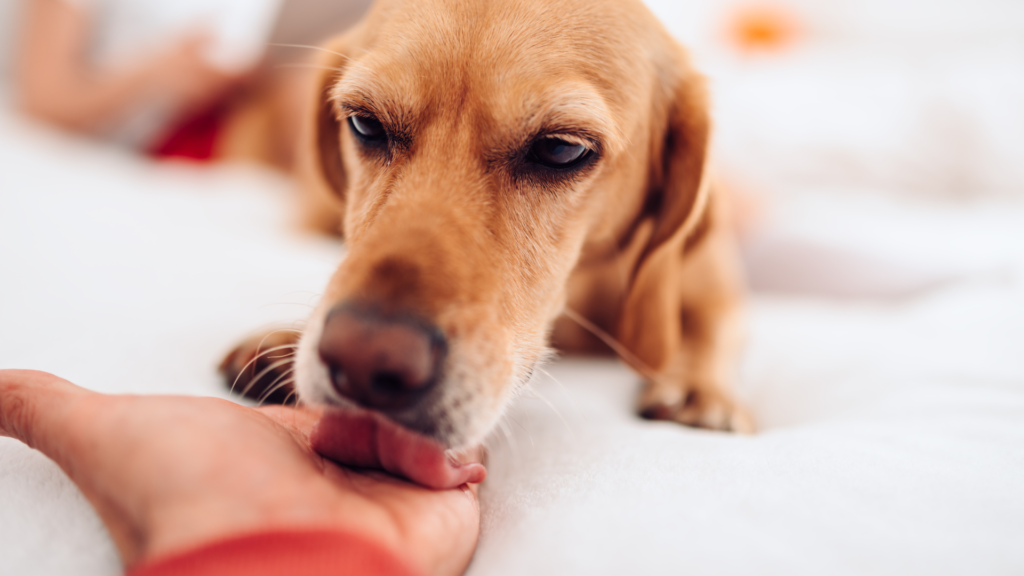
So why do dogs lick your hands?
In most cases, dogs lick human hands because of affection, bonding, communication, curiosity, attention-seeking, and emotional attachment. Licking is one of the natural ways dogs interact socially with people and other animals.
In this guide, we’ll explore why dogs lick hands, what this behavior means emotionally, and when excessive licking may signal something deeper.
Licking Is a Natural Dog Behavior
Dogs naturally use licking as part of social interaction.
From an early age, puppies experience licking through:
- Grooming
- Bonding
- Comfort
- Communication with their mother and littermates
As dogs grow older, licking often remains part of how they interact emotionally with trusted people.
Dogs Often Lick Hands as a Sign of Affection
One of the most common reasons dogs lick owners’ hands is simple affection.
Dogs may lick people because they:
- Feel emotionally attached
- Enjoy interaction
- Want closeness
- Associate owners with comfort and safety
Many owners interpret licking as a dog version of kissing, and in many situations, that is not far from the truth.
Read also: How Can I Keep My Dog’s Coat Shiny and Healthy?
Is Hand Licking a Sign of Love?
In many cases, yes.
Although dogs do not experience emotions exactly like humans, licking is often one of the clearest signs of affection and emotional attachment.
Dogs commonly lick the hands of people they:
- Trust
- Feel safe around
- Enjoy spending time with
- Associate with comfort and security
For many dogs, licking is similar to a social greeting or a way of strengthening bonds with family members.
Dogs that frequently lick hands often display other affectionate behaviors such as:
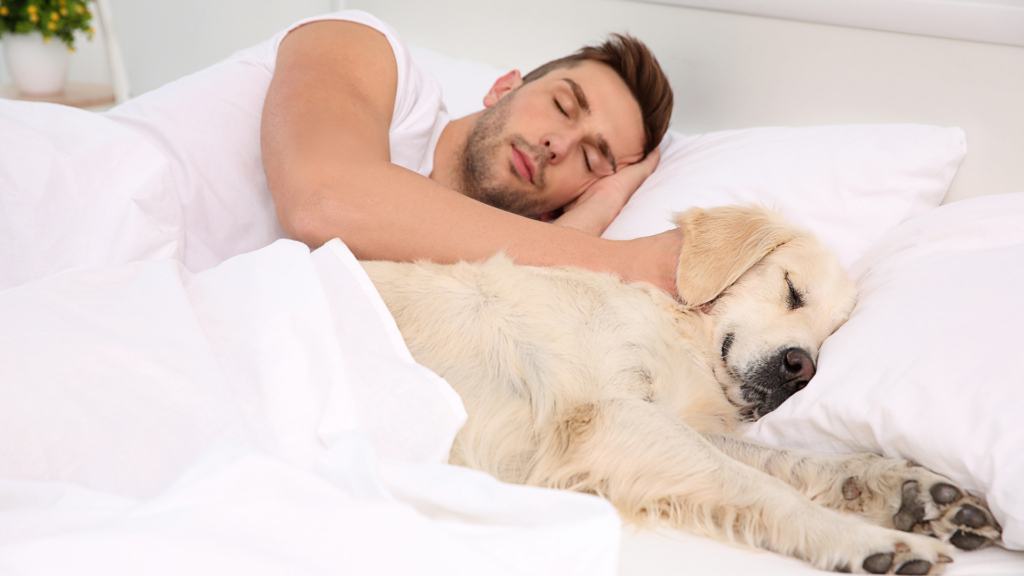
- Sleeping next to owners
- Following people around the house
- Leaning against humans
- Sitting on feet
- Seeking physical contact
Many of these behaviors are discussed further in our article on why dogs sleep next to humans.
Common Signs of Affection in Dogs
| Behavior | What It Usually Means |
|---|---|
| Licking hands | Affection and bonding |
| Following owners | Attachment |
| Sleeping nearby | Trust |
| Leaning on people | Comfort |
| Eye contact | Emotional connection |
Dogs Use Licking to Communicate
Licking can also function as communication.
Dogs may lick hands because they want:
- Attention
- Interaction
- Playtime
- Reassurance
- A response from the owner
Dogs quickly learn which behaviors create social interaction, and licking often gets immediate reactions from humans.
Your Hands Carry Familiar Scents
Dogs experience the world heavily through smell and taste.
Human hands carry:
- Natural skin oils
- Food scents
- Sweat
- Environmental smells
Sometimes dogs lick hands simply because they are curious about these scents and flavors.
Why Do Dogs Lick Human Skin?
Dogs experience the world differently from humans.
Their sense of smell is extremely powerful, and human skin contains interesting scents and tastes that dogs naturally investigate.
Dogs may lick human skin because of:
- Sweat
- Natural oils
- Food residue
- Salt
- Familiar scents
Human hands, arms, and faces carry information that dogs find fascinating.
Sometimes licking has nothing to do with affection and is simply a dog’s way of exploring the world around them.
Curiosity and scent investigation are perfectly normal behaviors in healthy dogs.
Licking Can Be a Bonding Behavior
Dogs often use physical contact to strengthen emotional bonds.
Behaviors like:
- Sleeping next to humans
- Following owners everywhere
- Sitting on feet
- Licking hands
are often connected through emotional attachment and social bonding.
Dogs that frequently lick owners are usually highly people-oriented and emotionally connected.
Highly attached dogs often show many other affectionate behaviors, which helps explain why dogs follow you everywhere.
Puppies Often Lick More Frequently
Puppies explore the world through their mouths.
Young dogs may lick hands because they are:
- Curious
- Learning social interaction
- Seeking comfort
- Exploring new experiences
Puppy licking behavior is usually very normal.
Some Dogs Lick to Seek Comfort
Licking can also become emotionally soothing for dogs.
Some dogs lick owners during:
- Stress
- Anxiety
- Excitement
- Uncertainty
Physical interaction with trusted humans may help calm emotionally attached dogs.
Dogs Sometimes Lick to Get Attention
Dogs quickly notice what behaviors create reactions.
If licking usually results in:
- Talking
- Petting
- Eye contact
- Physical affection
dogs may repeat the behavior intentionally to continue interaction.
Even negative reactions can sometimes reinforce the habit because the dog still receives attention.
Highly Social Breeds Often Lick More
Certain breeds naturally crave more human interaction and physical closeness.
Examples include:
- Golden Retrievers
- Labrador Retrievers
- French Bulldogs
- Cavalier King Charles Spaniels
- Vizslas
These highly social breeds often display stronger affection behaviors overall.
Dogs May Lick Hands After Eating
Human hands often carry food-related scents.
Dogs may lick hands after meals because they smell:
- Food residue
- Salt
- Oils
- Interesting flavors
Sometimes the explanation is simply curiosity and taste.
Licking Releases Positive Feelings
Some experts believe licking may help dogs release calming chemicals and reduce stress.
This can make licking feel:
- Comforting
- Relaxing
- Emotionally rewarding
For emotionally attached dogs, licking may become part of self-soothing behavior.
Is Hand Licking Ever a Problem?
Usually, no.
In most cases, licking is completely normal and harmless.
However, excessive licking may occasionally signal:
- Anxiety
- Stress
- Obsessive behavior
- Boredom
If licking becomes constant or compulsive, it may help to evaluate:
- Exercise levels
- Mental stimulation
- Emotional stress
- Separation anxiety
Should You Let Dogs Lick Your Hands?
For most healthy dogs, occasional hand licking is completely normal and harmless.
Many owners enjoy the behavior because it strengthens feelings of affection and connection.
However, some people may prefer to discourage excessive licking because of:
- Hygiene concerns
- Sensitive skin
- Allergies
- Personal preferences
Pros and Cons of Allowing Hand Licking
| Potential Benefits | Possible Drawbacks |
|---|---|
| Strengthens bonding | Hygiene concerns |
| Shows affection | Sensitive skin |
| Provides comfort | Excessive licking habits |
| Encourages interaction | Personal preference |
There is no universal right or wrong answer.
As long as the behavior is not obsessive or excessive, allowing dogs to lick hands is generally considered perfectly normal.
Dogs Learn Emotional Patterns Quickly
Dogs are highly sensitive to emotional energy and routines.
Many dogs learn:
- When owners are relaxed
- When attention is available
- Which behaviors create bonding moments
Licking may become part of a dog’s learned emotional communication style.
Why Humans React So Strongly to This Behavior
Humans naturally interpret licking as affection because physical closeness often feels emotionally meaningful.
When dogs lick hands, many owners feel:
- Loved
- Trusted
- Emotionally connected
This helps strengthen the relationship between dogs and humans.
Some Dogs Rarely Lick at All
Not every dog expresses affection the same way.
Some dogs prefer:
- Leaning against owners
- Sitting nearby
- Following people
- Eye contact
- Sleeping close
A dog that rarely licks is not necessarily less affectionate.
Why Do Dogs Lick Some People More Than Others?
Many dogs clearly show preferences for certain people.
Dogs often lick some individuals more because:
- They have stronger emotional bonds with them
- Those people spend more time with them
- They are responsible for feeding and playtime
- Their scent is more familiar
- They provide comfort and security
Some dogs develop especially strong attachments to one family member and may display more affectionate behaviors toward that person.
Behaviors Dogs Often Reserve for Favorite People
| Behavior | Meaning |
|---|---|
| Frequent licking | Strong attachment |
| Following constantly | Emotional bonding |
| Sleeping nearby | Trust |
| Leaning against them | Affection |
| Greeting enthusiastically | Excitement |
Canines that form especially strong attachments may display many of the same behaviors discussed in our guide on how long it takes a dog to bond with you.
Dogs Often Combine Affection Behaviors
Dogs that lick frequently may also:
- Follow owners constantly
- Rest their heads on laps
- Sleep beside humans
- Sit on feet
- Seek physical touch
These behaviors often work together as signs of emotional attachment.
Dogs that combine several affection behaviors are often displaying signs discussed in our article on how long does it take a dog to bond with you.
Rescue Dogs May Develop Strong Licking Behavior
Some rescue dogs become especially affectionate after adoption.
Licking may increase because:
- They finally feel safe
- They crave reassurance
- They form strong emotional bonds
- They seek comfort from trusted humans
Many rescue dogs become deeply attached companions once trust develops.
Understanding Dog Communication Builds Stronger Bonds
Licking is one of many ways dogs communicate emotions and social connection.
Understanding these behaviors helps owners:
- Recognize emotional needs
- Improve communication
- Strengthen trust
- Build healthier relationships
The better people understand dog behavior, the easier it becomes to interpret what dogs are trying to express.
Frequently Asked Questions
Why Do Dogs Lick Your Hands?
Dogs often lick hands to express affection, communicate, seek attention, or investigate interesting scents.
What Does It Mean When a Dog Licks Your Hand?
In most cases, hand licking is a sign of trust, comfort, and emotional attachment.
Is Hand Licking a Sign of Love?
Yes. Many dogs lick the people they love and trust as a way of strengthening social bonds.
Why Do Dogs Lick Human Skin?
Dogs are attracted to the scents, oils, and tastes naturally found on human skin.
Should You Let Dogs Lick Your Hands?
For most healthy dogs, occasional hand licking is harmless. Whether to allow it depends largely on personal preference.
Why Do Dogs Lick Some People More Than Others?
Dogs often show stronger affection toward people with whom they have formed deeper emotional bonds.
Final Thoughts
Dogs lick your hands for many reasons, including affection, bonding, communication, curiosity, comfort, and emotional attachment.
In most cases, this behavior is a positive sign that your dog feels safe, connected, and emotionally comfortable around you.
Whether your dog gives quick little licks or constantly tries to lick your hands during interaction, it is often one of the clearest ways dogs express trust and social connection with the people they love most.