Dogs communicate constantly, even when they are not barking. Every tail wag, stare, head tilt, sleeping position, or strange habit usually means something.
Understanding dog behavior helps owners build stronger relationships, reduce confusion, improve training, and recognize emotional needs more clearly.
Some behaviors are instinctive. Others develop through bonding, routine, environment, or emotional attachment. While certain actions may seem funny or random to humans, dogs often use body language and repetitive behaviors as a way to communicate comfort, stress, trust, excitement, or affection.
In this guide, we’ll explore 25 common dog behaviors and what they often reveal emotionally and psychologically.
Quick Behavior Guide
| Behavior | Common Meaning |
|---|---|
| Tail wagging | Excitement or emotional stimulation |
| Sleeping next to owners | Trust and bonding |
| Following owners everywhere | Emotional attachment |
| Licking hands | Affection or communication |
| Tilting head | Curiosity and focus |
| Sitting on feet | Security and closeness |
| Zoomies | Energy release |
| Leaning on people | Comfort and affection |
Why Understanding Dog Behavior Matters
Dogs may not use words, but they constantly communicate through:
- Body language
- Facial expressions
- Movement
- Vocalizations
- Physical contact
- Repetitive habits
Learning to recognize these signals helps owners:
- Improve communication
- Reduce anxiety
- Build trust
- Strengthen emotional connection
- Respond to stress signals earlier
Dog Body Language Chart
Dogs communicate primarily through body language. Understanding these signals can help owners better interpret their dog’s emotions and needs.
| Behavior | Meaning |
|---|---|
| Tail wagging | Excitement |
| Leaning | Affection |
| Licking | Bonding |
| Staring | Communication |
| Following | Attachment |
| Yawning | Stress or calming signal |
| Rolling over | Trust or submission |
| Pawing | Attention seeking |
| Zoomies | Excitement and energy release |
| Hiding | Fear or anxiety |
Understanding these behaviors can strengthen the bond between dogs and their owners and help prevent misunderstandings.
#1 Tail Wagging
Tail wagging does not always mean happiness.
Dogs wag their tails for many emotional reasons, including:
- Excitement
- Nervousness
- Curiosity
- Social stimulation
A loose, relaxed wag usually signals positive emotions, while stiff or rapid wagging may indicate tension or overstimulation.
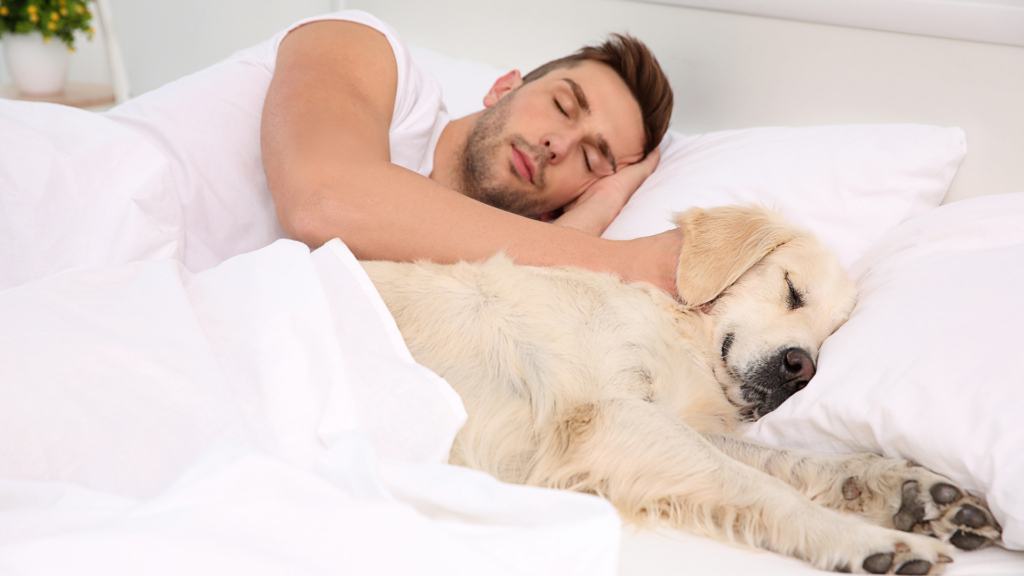
#2 Sleeping Next to Humans
Many dogs naturally sleep close to their owners because they feel emotionally safe nearby.
Sleeping close often reflects:
- Trust
- Bonding
- Security
- Pack instincts
Dogs that consistently choose to sleep beside humans usually feel deeply connected to them.
Many owners notice this behavior daily without realizing how emotionally meaningful it can be, which is why dogs sleep next to humans so often.
#3 Following Owners Everywhere
Dogs that constantly follow people around the house are usually showing emotional attachment and social bonding behavior.
This behavior often means:
- The dog enjoys companionship
- The owner provides emotional security
- The dog feels strongly connected
Some highly social dog breeds display this behavior more intensely than others.
Dogs that constantly stay close to people often develop strong emotional attachments, which helps explain how long it takes a dog to bond with you.
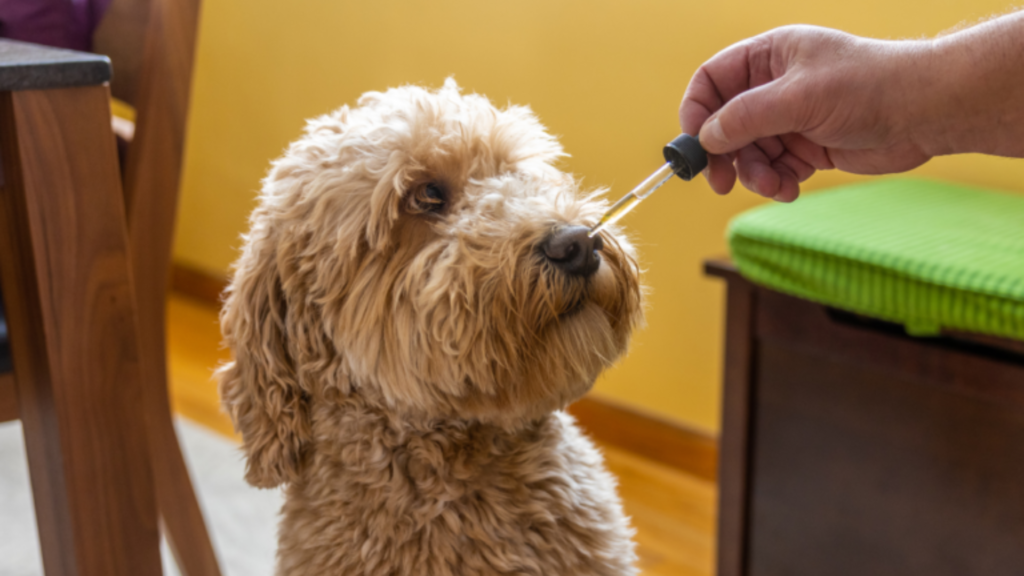
#4 Licking Hands
Dogs lick people for several reasons:
- Affection
- Communication
- Attention-seeking
- Exploration
- Comfort
Licking can also become a calming behavior during stress or excitement.
Many owners notice this behavior frequently, especially in emotionally attached dogs that often lick their owners’ hands during interaction.
#5 Tilting Their Head
Head tilting often happens when dogs are trying to focus on sounds, expressions, or communication.
Dogs may tilt their heads because they are:
- Curious
- Listening carefully
- Trying to understand tone
- Reacting emotionally
This behavior is especially common during human interaction.
#6 Sitting on Your Feet
Some dogs sit directly on owners’ feet because they want physical closeness and emotional reassurance.
This behavior can signal:
- Attachment
- Security
- Mild protective instincts
- Comfort-seeking
Dogs that enjoy constant physical contact often display this behavior.
#7 Leaning on People
Leaning usually reflects trust and affection.
Dogs often lean against people because:
- They feel emotionally safe
- They want closeness
- They enjoy physical contact
Large breeds especially tend to lean heavily during bonding moments.
This affectionate behavior is discussed in greater detail in our guide on why dogs lean on people.
#8 Zoomies
“Zoomies” are sudden bursts of energy where dogs run around wildly for short periods.
This behavior usually happens because of:
- Excitement
- Energy release
- Playfulness
- Stress release
Zoomies are generally normal and healthy.
#9 Bringing Toys to People
Dogs often bring toys to humans because they want:
- Interaction
- Playtime
- Attention
- Social engagement
Some dogs also bring toys as a form of greeting behavior.
#10 Staring at Owners
Dogs often stare at owners because they are:
- Seeking communication
- Waiting for cues
- Emotionally connected
- Curious
Soft eye contact between dogs and humans is often linked to bonding and trust.
Also read: Best Family Dogs: 25 Friendly Breeds for Kids, Apartments, and Active Homes
Soft eye contact is often associated with emotional attachment, which is one reason many owners wonder why dogs stare at their owners.
#11 Sleeping Belly Up
Dogs sleeping on their backs usually feel:
- Safe
- Relaxed
- Comfortable
- Emotionally secure
Exposing the belly is a vulnerable position that many anxious dogs avoid.
#12 Barking at Strangers
Dogs bark at strangers for many reasons:
- Alert behavior
- Territorial instincts
- Fear
- Excitement
- Curiosity
Context and body language matter enormously when interpreting barking behavior.
#13 Circling Before Sleeping
This behavior comes from instinctive habits inherited from wild ancestors.
Circling may help dogs:
- Feel comfortable
- Check surroundings
- Prepare resting spots
Most dogs still retain this instinct naturally.
#14 Sighing
Dogs often sigh when:
- Relaxing
- Feeling content
- Releasing tension
- Settling emotionally
Repeated sighing combined with stress signals may occasionally indicate frustration or anxiety.
#15 Pawing at Humans
Dogs paw at people for:
- Attention
- Affection
- Play
- Reassurance
Some dogs quickly learn that pawing creates interaction.
#16 Hiding Toys
Dogs sometimes hide toys because of:
- Resource instincts
- Possessiveness
- Security behaviors
This behavior is often instinctive rather than problematic.
#17 Yawning Frequently
Yawning is not always about tiredness.
Dogs may yawn because of:
- Stress
- Anxiety
- Emotional regulation
- Calming signals
Context matters when interpreting repeated yawning.
#18 Rolling on Their Back
Rolling onto the back can signal:
- Trust
- Playfulness
- Submission
- Belly-rub requests
Dogs feeling emotionally safe often expose vulnerable body areas more freely.
#19 Following You to the Bathroom
Many dogs simply dislike separation from people they trust.
This behavior usually reflects:
- Curiosity
- Social attachment
- Routine-following
- Emotional dependence
Highly social breeds often do this frequently.
#20 Carrying Shoes or Clothing
Dogs are strongly comforted by familiar scents.
Carrying clothing or shoes may help them feel:
- Close to owners
- Emotionally secure
- Comforted during separation
#21 Digging
Dogs dig for many instinctive reasons:
- Energy release
- Cooling down
- Hunting instincts
- Boredom
- Stress relief
Some breeds naturally dig more than others.
#22 Resting Their Chin on You
This behavior often reflects:
- Affection
- Comfort
- Emotional closeness
- Attention-seeking
Dogs that do this are usually seeking calm physical interaction.
#23 Nudging With Their Nose
Nose nudging usually means:
- Attention-seeking
- Affection
- Curiosity
- Desire for interaction
Dogs commonly use nudging as a social communication tool.
#24 Shaking After Excitement
Dogs often shake their bodies after:
- Stress
- Play
- Excitement
- Tension release
This behavior helps them reset emotionally and physically.
#25 Sleeping Near Doors or Entrances
Some dogs prefer sleeping near entry points because of:
- Protective instincts
- Environmental awareness
- Habit
- Security monitoring
This behavior is more common in alert or watchful breeds.
Dog Behavior Depends on Context
No single behavior should be interpreted completely on its own.
Understanding dog behavior requires observing:
- Body posture
- Facial expressions
- Environment
- Repetition patterns
- Emotional context
The same behavior can mean different things in different situations.
Emotional Bonds Shape Behavior
Many dog behaviors are strongly influenced by emotional connection.
Dogs that feel:
- Safe
- Loved
- Socially connected
- Mentally stimulated
…usually display calmer and healthier behavior patterns overall.
Affectionate Dog Behaviors
Many dog behaviors are expressions of love, trust, and emotional attachment.
Common affectionate behaviors include:
- Following owners everywhere
- Sleeping next to humans
- Leaning against people
- Sitting on feet
- Licking hands
- Bringing toys
- Making eye contact
- Resting their head or chin on people
These behaviors often become stronger as dogs develop deeper bonds with their families.
Dogs that display these signs frequently are usually emotionally secure and highly attached to their owners.
Many of these behaviors are explored in more detail in our articles on why dogs follow you everywhere, why dogs lean on people, and how long it takes a dog to bond with you.
Happy Dog Behaviors
Happy dogs tend to display relaxed and playful behavior.
Common signs of a happy dog include:
- Loose tail wagging
- Play bows
- Zoomies
- Healthy appetite
- Seeking interaction
- Sleeping comfortably
- Bringing toys to owners
- Relaxed ears and body posture
Signs of a Happy Dog
| Behavior | What It Usually Means |
|---|---|
| Loose tail wagging | Happiness |
| Play bow | Invitation to play |
| Relaxed ears | Comfort |
| Zoomies | Excitement |
| Rolling over | Trust |
| Seeking affection | Emotional security |
Dogs that feel safe, loved, and mentally stimulated are generally more likely to display these positive behaviors consistently.
Protective Dog Behaviors
Not all dog behaviors are related to affection or play. Some behaviors reflect protective instincts.
Protective behaviors may include:
- Barking at unfamiliar noises
- Watching doors and windows
- Sleeping near entrances
- Standing between owners and strangers
- Staying close during stressful situations
- Alerting family members to unusual activity
Protective behavior does not necessarily mean aggression.
Many dogs simply want to keep their families safe.
Breeds originally developed for guarding often show stronger protective instincts, while highly social breeds usually focus more on companionship than protection.
Common Protective Behaviors
| Behavior | Possible Meaning |
|---|---|
| Barking at strangers | Alertness |
| Sleeping near doors | Monitoring surroundings |
| Standing in front of owners | Protective instinct |
| Following owners closely | Security and attachment |
| Watching windows | Environmental awareness |
Signs of Anxiety in Dogs
Not all behaviors indicate happiness or affection. Some behaviors can signal stress or anxiety.
Common signs of anxiety include:
- Excessive barking
- Trembling
- Pacing
- Hiding
- Lip licking
- Repeated yawning
- Excessive panting
- Destructive chewing
- Loss of appetite
Recognizing these signals early can help owners address problems before they become more serious.
Common Anxiety Signals
| Behavior | Possible Meaning |
|---|---|
| Pacing | Nervousness |
| Hiding | Fear |
| Trembling | Stress |
| Excessive barking | Anxiety |
| Panting without exercise | Emotional discomfort |
| Lip licking | Calming signal |
| Repeated yawning | Stress response |
Dogs experiencing anxiety often benefit from reassurance, routine, and a calm environment.
Frequently Asked Questions
What Is Normal Dog Behavior?
Normal dog behavior includes tail wagging, barking, chewing, sleeping, playing, and seeking attention. Individual personalities and breeds may influence how these behaviors are expressed.
What Are Signs of a Happy Dog?
Common signs include tail wagging, zoomies, relaxed posture, healthy appetite, and seeking affection from family members.
What Behaviors Show That a Dog Loves You?
Dogs often show affection by following owners, sleeping nearby, licking hands, leaning against people, and making eye contact.
What Are Signs of Anxiety in Dogs?
Signs of anxiety may include pacing, trembling, excessive barking, hiding, panting, and destructive behavior.
Why Is Understanding Dog Behavior Important?
Understanding dog behavior helps owners communicate more effectively, strengthen emotional bonds, and recognize signs of stress or discomfort earlier.
Final Thoughts
Dog behavior is often much more meaningful than people realize.
Many everyday habits, from sleeping positions to licking, following, staring, or leaning, are part of how dogs communicate emotions, trust, curiosity, and attachment.
Understanding these signals helps strengthen the bond between dogs and humans while improving communication, training, and emotional wellbeing for both.
The better we understand dog behavior, the easier it becomes to recognize what dogs are trying to tell us every day.