One of the biggest questions new dog owners ask is:
“How long will it take for my dog to truly bond with me?”
Some dogs seem attached almost immediately, while others take weeks or even months before they fully relax, trust, and emotionally connect with their owners.
The truth is that every dog bonds differently.
Some dogs form fast emotional attachments, while others need time, patience, consistency, and emotional safety before they feel secure. Factors like personality, past experiences, breed, environment, and trust all play important roles in the bonding process.
In this guide, we’ll explore how long it typically takes dogs to bond with humans, what affects emotional attachment, and how owners can help build stronger trust and connection over time.
What Does “Bonding” Actually Mean for Dogs?
Bonding is the process through which dogs develop:
- Trust
- Emotional attachment
- Security
- Comfort
- Social connection
A bonded dog usually:
- Feels relaxed around you
- Seeks your presence
- Trusts your routines
- Responds emotionally to you
- Looks for comfort and reassurance
Bonding is not just obedience. It is emotional connection.
Some Dogs Bond Faster Than Others
Every dog has a different personality and emotional history.
Some dogs naturally become attached very quickly because they are:
- Highly social
- Confident
- People-oriented
- Emotionally open
Other dogs may take longer because they are:
- Fearful
- Independent
- Anxious
- Recovering from past trauma
- Adjusting to a new environment
Neither situation is “wrong.” Dogs simply bond at different speeds.
Read also: Can Dogs Sense Human Sadness
Can Some Dogs Bond Faster Than Others?
Absolutely. Some dogs seem to form strong attachments within days, while others need weeks or even months before they fully trust their owners.
Factors that influence bonding speed include:
- Breed
- Personality
- Age
- Previous experiences
- Socialization
- Environment
Highly social breeds such as Golden Retrievers, Labrador Retrievers, and Cavalier King Charles Spaniels often bond very quickly because they naturally crave companionship.
More independent breeds may require additional patience before showing the same level of attachment.
Rescue dogs and dogs with traumatic backgrounds also tend to develop trust more slowly than puppies raised in stable environments.
Average Bonding Times
| Type of Dog | Typical Bonding Time |
|---|---|
| Puppy from breeder | Days to weeks |
| Confident adult dog | 1-4 weeks |
| Rescue dog | 3 weeks to 3 months |
| Fearful or traumatized dog | Several months |
| Senior rescue dog | 1-6 months |
Every dog is different, and there is no “correct” timeline.
The First Few Days Are Usually About Observation
When dogs first enter a new home, they often spend the first few days quietly observing.
During this stage, many dogs are:
- Unsure of routines
- Assessing safety
- Learning the environment
- Watching human behavior
Some dogs may seem distant or cautious initially, especially rescue dogs.
This stage is completely normal.
The 3-3-3 Rule for Rescue Dogs
Many rescue organizations use the “3-3-3 rule” to describe adjustment timelines.
This guideline suggests:
- First 3 days → overwhelm and adjustment
- First 3 weeks → learning routines and beginning trust
- First 3 months → deeper emotional bonding and confidence
Not every dog follows this exact timeline, but it helps explain how bonding often develops gradually.
How Long Does It Take a Rescue Dog to Bond?
Rescue dogs often require more time to build trust because many have experienced instability, neglect, abandonment, or major life changes.
While some rescue dogs bond within days, many owners notice that real emotional attachment develops gradually.
Typical rescue dog bonding stages include:
| Time Frame | What Usually Happens |
|---|---|
| First few days | Cautious and overwhelmed |
| First few weeks | Beginning to understand routines |
| First 1-3 months | Growing trust and confidence |
| Several months | Deep emotional attachment |
Many rescue dogs become exceptionally loyal once they feel safe and secure.
Patience and consistency are often more important than trying to force affection.
Owners bringing home an adopted dog may also find our guide on the first week with a rescue dog helpful during the adjustment period.
Rescue Dogs Often Need More Time
Rescue dogs sometimes require longer bonding periods because of:
- Past neglect
- Trauma
- Abandonment
- Instability
- Fear
These dogs may initially struggle with trust and emotional security.
However, once rescue dogs begin bonding, they often become incredibly loyal and emotionally attached companions.
Puppies Usually Bond Quickly
Puppies often develop emotional attachment faster because they are naturally:
- Curious
- Social
- Adaptable
- Dependent on caregivers
Young dogs quickly begin associating humans with:
- Food
- Safety
- Play
- Comfort
- Routine
This helps emotional bonding grow rapidly during early development.
Consistency Builds Trust
Dogs thrive on predictable routines and emotional consistency.
Trust develops faster when owners provide:
- Calm behavior
- Consistent routines
- Positive reinforcement
- Patience
- Stability
Dogs feel safer when they can predict their environment and interactions.
Dogs Bond Through Daily Interaction
Bonding is not usually created through one big moment.
It develops gradually through:
- Walks
- Feeding
- Playtime
- Quiet companionship
- Training
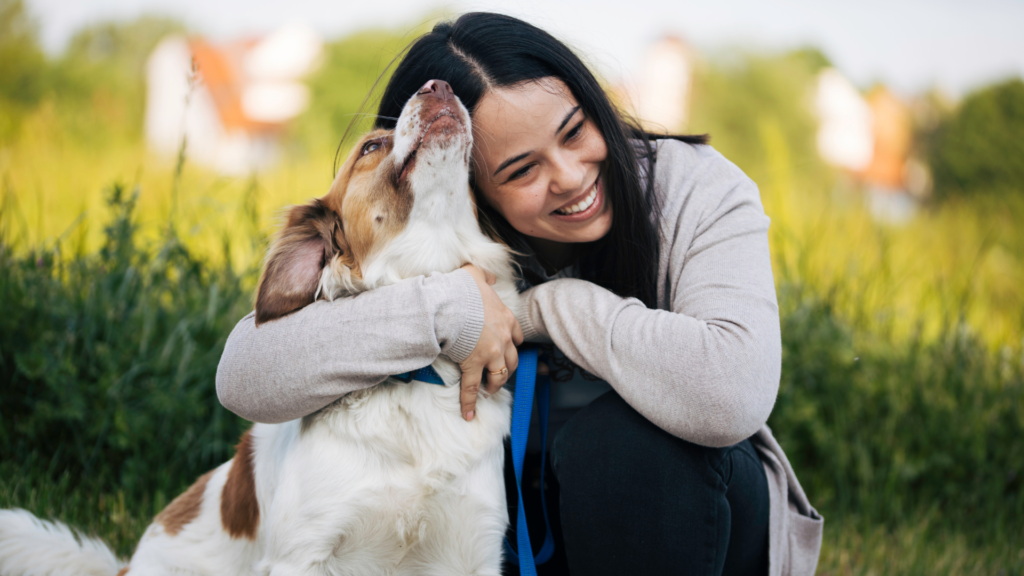
- Physical affection
- Shared routines
Small repeated interactions often create the strongest emotional connections over time.
Physical Closeness Often Increases With Bonding
As trust grows, many dogs begin seeking more physical closeness.
Bonded dogs often:
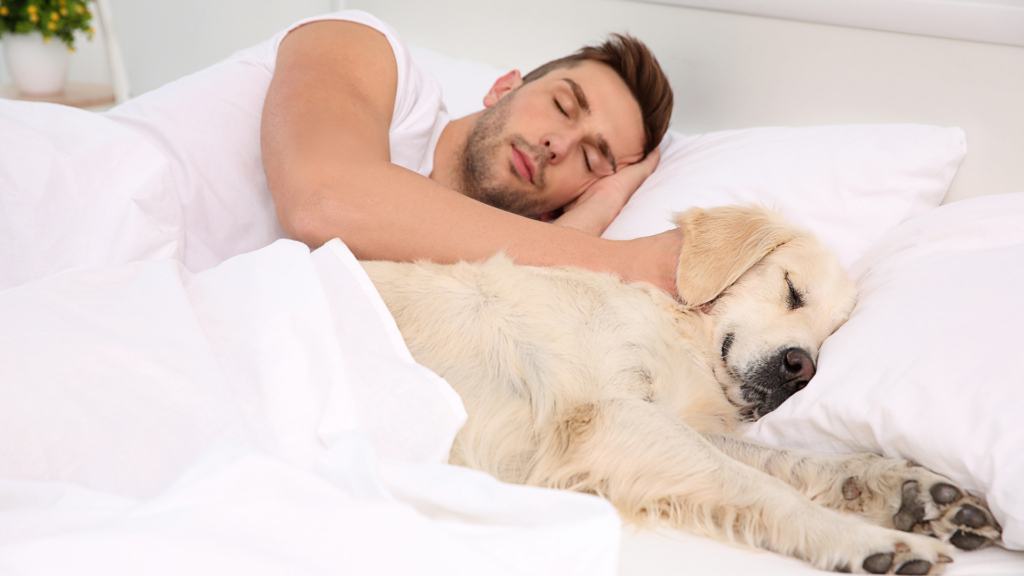
- Sleep next to humans
- Follow owners everywhere
- Sit on feet
- Lean on people
- Maintain eye contact
These behaviors usually reflect increasing emotional attachment and security.
Some Breeds Are Naturally More Affectionate
Certain breeds tend to form strong emotional bonds more quickly.
Examples include:
- Golden Retrievers
- Labrador Retrievers
- Vizslas
- Cavalier King Charles Spaniels
- French Bulldogs
Highly social breeds often crave companionship and emotional closeness.
Trust Takes Longer Than Excitement
Some dogs appear excited immediately but are not fully bonded yet.
True bonding usually involves:
- Relaxation
- Emotional comfort
- Vulnerability
- Trust
- Stability
A dog that feels safe enough to fully relax around you is often showing deeper emotional attachment.
Fearful Dogs Bond More Slowly
Dogs recovering from fear or insecurity may need extra patience.
Signs a fearful dog is beginning to bond include:
- Relaxed posture
- Seeking proximity
- Tail wagging
- Eye contact
- Accepting touch
- Following behavior
Progress may happen slowly, but small improvements matter enormously.
Training Can Strengthen Bonding
Positive training sessions help dogs:
- Build confidence
- Understand communication
- Develop trust
- Feel emotionally connected
Training should feel supportive rather than stressful.
Dogs often bond more deeply with people who provide calm leadership and positive experiences.
Dogs Learn Emotional Safety Over Time
Many dogs slowly realize:
- This home is safe
- Food is reliable
- Humans are kind
- Routines are stable
- They are not being abandoned
This emotional security is one of the most important parts of bonding.
Why Some Dogs Suddenly Become More Affectionate
Many owners notice that dogs become noticeably more affectionate after several weeks or months.
This often happens because the dog finally feels:
- Relaxed
- Emotionally secure
- Trusting
- Comfortable being vulnerable
Once fear decreases, affection often increases naturally.
Why Some Dogs Take Months to Trust
Not every dog develops trust quickly.
Dogs that have experienced:
- Neglect
- Abuse
- Frequent rehoming
- Lack of socialization
- Anxiety
…may need several months before they fully relax.
Trust develops when dogs repeatedly experience:
- Safety
- Predictable routines
- Kindness
- Positive reinforcement
- Emotional stability
Progress is often gradual.
Owners sometimes notice small victories first, such as:
- Tail wagging
- Seeking affection
- Following behavior
- Sleeping nearby
Over time, these small signs often develop into deep emotional bonds.
Bonding Is Different From Dependency
Healthy bonding means a dog:
- Trusts you
- Enjoys your presence
- Feels emotionally connected
Unhealthy dependency may involve:
- Panic during separation
- Extreme clinginess
- Emotional distress when alone
Healthy dogs can bond deeply while still feeling emotionally stable independently.
Dogs Bond Through Emotional Energy
Dogs are highly sensitive to human emotions and behavior.
They notice:
- Tone of voice
- Patience
- Stress
- Calmness
- Affection
- Emotional consistency
The emotional atmosphere owners create strongly influences trust development.
Bonding Cannot Be Forced
One of the biggest mistakes owners make is trying to rush attachment.
Dogs bond best when they feel:
- Safe
- Respected
- Unpressured
- Emotionally secure
Patience often creates stronger long-term trust than forcing interaction.
Signs Your Dog Is Bonding With You
Common bonding signs include:
- Following you around
- Relaxing near you
- Sleeping nearby
- Seeking eye contact
- Leaning against you
- Tail wagging during interaction
- Bringing toys to you
- Seeking comfort from you
These dog behaviors usually increase as emotional trust develops.
Common Signs Your Dog Is Bonding With You
As trust develops, dogs often display behaviors that reveal increasing emotional attachment.
Some of the most common signs include:
- Following you around the house
- Sleeping near you
- Making eye contact
- Bringing toys to you
- Leaning against you
- Seeking physical affection
- Becoming excited when you return home
Many owners notice these behaviors gradually becoming stronger over time.
Bonding Behaviors and What They Mean
| Behavior | What It Often Means |
|---|---|
| Following you everywhere | Attachment |
| Sleeping nearby | Trust and security |
| Leaning on you | Affection |
| Eye contact | Emotional connection |
| Bringing toys | Social bonding |
| Tail wagging when you return | Happiness and excitement |
Many of these behaviors are explained in our articles on why dogs follow you everywhere , why dogs lean on people, and why dogs sleep next to humans.
Every Dog Has a Unique Emotional Timeline
Some dogs bond within days.
Others may need:
- Weeks
- Months
- Long-term patience
The timeline depends heavily on:
- Personality
- Past experiences
- Environment
- Emotional safety
- Consistency
There is no “correct” speed for bonding.
Frequently Asked Questions
How Long Does It Take a Dog to Bond With You?
Most dogs begin bonding within days or weeks, although deep trust may take several months to develop.
How Long Does It Take a Rescue Dog to Bond?
Many rescue dogs begin adjusting within a few weeks, but complete emotional bonding may take one to three months or longer.
Can Some Dogs Bond Faster Than Others?
Yes. Breed, personality, age, and previous experiences all influence how quickly dogs form attachments.
What Are Signs That My Dog Is Bonding With Me?
Common signs include following behavior, sleeping nearby, eye contact, leaning against you, and excitement when you return home.
Why Does My Dog Still Not Trust Me?
Fear, anxiety, trauma, or lack of socialization can slow the bonding process. Patience and consistency are essential for building trust.
Final Thoughts
How long it takes a dog to bond depends on the individual dog, their experiences, personality, and emotional comfort level.
Some dogs connect almost immediately, while others slowly build trust over time through patience, routine, affection, and consistency.
True bonding happens when dogs begin feeling emotionally safe, relaxed, and connected to the people around them.
For many dogs, that bond eventually becomes one of the deepest and most meaningful relationships in their lives.