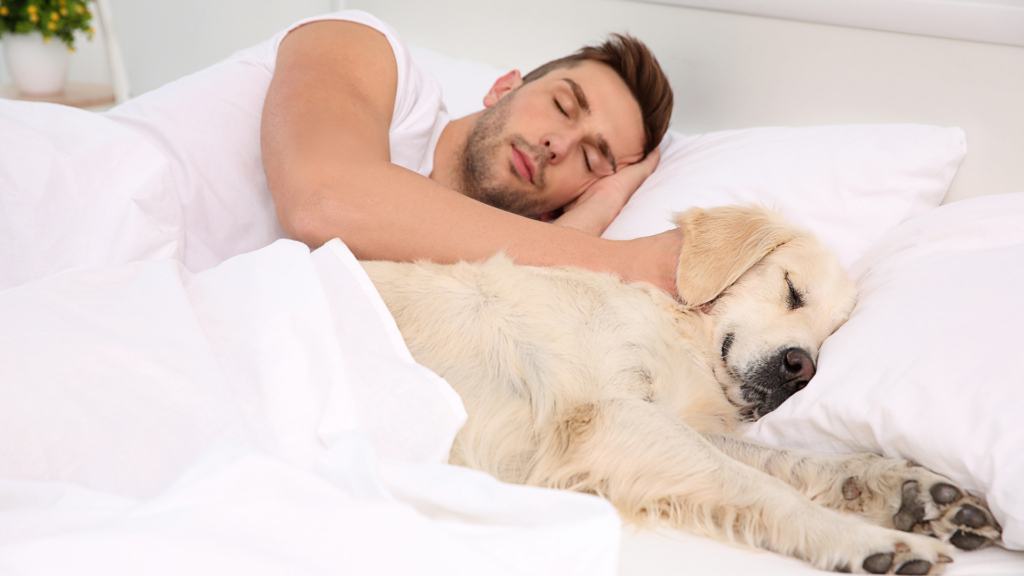
Many dog owners wonder what happens when they leave home.
Does your dog notice you’re gone? Do they think about you while you’re away? Can they actually miss you?
The short answer is yes.
Research and everyday observation suggest that dogs form strong emotional attachments to humans and often notice when their favorite people are absent. While dogs may not experience emotions exactly like humans do, they clearly develop meaningful social bonds and can show signs of missing their owners.
In this guide, we’ll explore what science says about dogs and emotions, how dogs respond to separation, and the signs your dog may miss you when you’re away.
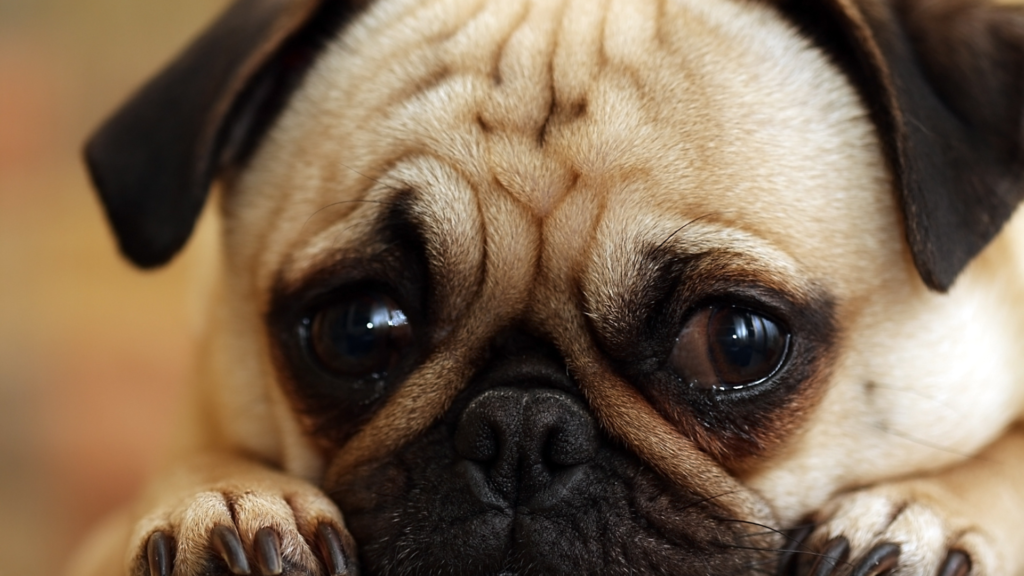
Dogs Form Strong Emotional Bonds
Dogs are highly social animals.
Over thousands of years of domestication, they evolved alongside humans and became remarkably skilled at building relationships with people.
Dogs often view owners as:
- Providers of safety
- Sources of comfort
- Social companions
- Emotional support figures
These relationships can become extremely strong over time.
Research Suggests Dogs Miss Their Owners
Several studies have shown that dogs respond emotionally when separated from familiar people.
Researchers have observed changes in:
- Dog behavior
- Heart rate
- Stress levels
- Excitement during reunions
Many dogs display noticeably different reactions toward owners compared to strangers.
This suggests that dogs recognize and value specific human relationships.
Dogs Experience Emotional Attachment
While dogs do not understand relationships exactly as humans do, they clearly form attachment bonds.
Similar to young children, dogs often use trusted humans as a source of:
- Security
- Stability
- Comfort
- Reassurance
This attachment helps explain why many dogs become distressed during separation.
Dogs Often Notice Your Absence Immediately
Many owners assume dogs simply forget about them after they leave.
In reality, dogs are highly aware of daily routines.
Dogs quickly notice when:
- You leave the house
- Your scent disappears
- Familiar sounds stop
- Normal routines change
Some dogs begin reacting before owners even leave by recognizing departure cues such as:
- Picking up keys
- Putting on shoes
- Grabbing a bag
Read also: Can Dogs Sense Human Sadness?
Signs Your Dog Misses You
Dogs may show several behaviors that suggest they miss their owners.
Common signs include:
- Waiting near doors
- Watching windows
- Reduced activity
- Seeking comfort items
- Increased excitement when owners return
- Looking for familiar scents
These behaviors often become more noticeable in highly attached dogs.
Some Dogs Experience Separation Anxiety
Missing an owner and separation anxiety are not the same thing.
Healthy attachment may cause a dog to notice your absence.
Separation anxiety involves:
- Panic
- Extreme stress
- Destructive behavior
- Excessive vocalization
- Emotional distress
Dogs with separation anxiety often struggle to cope emotionally when left alone.
Dogs Recognize Familiar Scents
A dog’s sense of smell is extraordinarily powerful.
Many dogs find comfort in:
- Clothing
- Blankets
- Shoes
- Beds
- Other items carrying their owner’s scent
This is one reason some dogs sleep on laundry piles or near personal belongings when owners are away.
Reunions Reveal Emotional Attachment
One of the clearest signs dogs miss owners is how they react when people return home.
Many dogs show:
- Tail wagging
- Excitement
- Jumping
- Increased energy
- Physical affection
These enthusiastic greetings often reflect genuine emotional attachment.
Dogs Remember Important People
Dogs have impressive associative memory.
They remember:
- Voices
- Scents
- Routines
- Experiences
- Relationships
Even after long periods apart, many dogs still recognize people they formed strong bonds with.
Dogs Often Wait for Owners
Some dogs develop routines around their owners’ schedules.
They may:
- Wait by doors
- Watch windows
- Rest near entryways
- Become alert at certain times of day
These behaviors often reflect anticipation rather than confusion.
Highly Social Dogs Miss Owners More
Certain breeds are especially known for strong human attachment.
Examples include:
- Golden Retrievers
- Labrador Retrievers
- Cavalier King Charles Spaniels
- French Bulldogs
- Vizslas
These dogs often prefer close companionship and may notice separation more intensely.
Rescue Dogs Can Develop Deep Attachments
Many rescue dogs form exceptionally strong bonds after adoption.
This may happen because:
- They finally feel secure
- They appreciate stability
- They fear losing trusted humans
- They become highly attached to caregivers
Some rescue dogs display particularly emotional reunions with owners.
Dogs Learn Predictable Routines
Dogs become comfortable when life feels predictable.
They learn:
- When owners leave
- When owners return
- Feeding schedules
- Walk times
- Household patterns
These routines help reduce stress and create emotional stability.
How Dogs Experience Time
Dogs do not understand time the way humans do.
They cannot think:
- “My owner has been gone for four hours.”
However, they can notice:
- Changes in routine
- Passage of daily events
- Duration through environmental cues
This means dogs may experience absence differently than people do.
Why Some Dogs Stay Calm While Others Struggle
Personality plays a major role.
Some dogs are naturally:
- Independent
- Confident
- Relaxed
Others are:
- Sensitive
- Highly social
- More emotionally attached
Both responses can be normal.
Building Healthy Independence
Strong bonds are healthy, but dogs should also learn confidence when alone.
Helpful strategies include:
- Puzzle toys
- Independent play
- Gradual departures
- Consistent routines
- Positive reinforcement
Healthy independence reduces stress while maintaining attachment.
Dogs Often Show Affection in Many Ways
Dogs that miss their owners often display other bonding behaviors too.
Examples include:
- Following owners everywhere
- Sleeping nearby
- Leaning against people
- Making eye contact
- Seeking physical contact
These behaviors often strengthen as emotional bonds deepen.
The Human-Dog Bond Is Unique
Few animal species have developed relationships with humans as deeply as dogs.
Dogs often become:
- Companions
- Emotional supports
- Family members
- Daily partners
This helps explain why separation can have emotional significance for them.
What Matters Most to Dogs
More than anything, dogs value:
- Safety
- Routine
- Social connection
- Familiarity
- Positive experiences
Trusted owners often become central to all of those things.
Final Thoughts
Dogs do miss their owners.
While they may not experience absence exactly the way humans do, they form genuine emotional attachments and often notice when important people are gone.
From waiting by the door to celebrating your return home, many dogs clearly demonstrate that their relationships with humans matter deeply to them.
The stronger the bond, the more likely your dog is to notice, appreciate, and emotionally respond to your presence in their life.