Some dogs never seem to leave your side.
They follow you from room to room, wait outside the bathroom door, watch you while you work, and immediately stand up whenever you move. For many owners, this behavior feels both adorable and confusing.
So why do dogs follow you everywhere?
In most cases, dogs follow humans because of emotional attachment, social instincts, curiosity, routine, and trust. Dogs are naturally social animals that often feel safest and happiest near the people they love most.
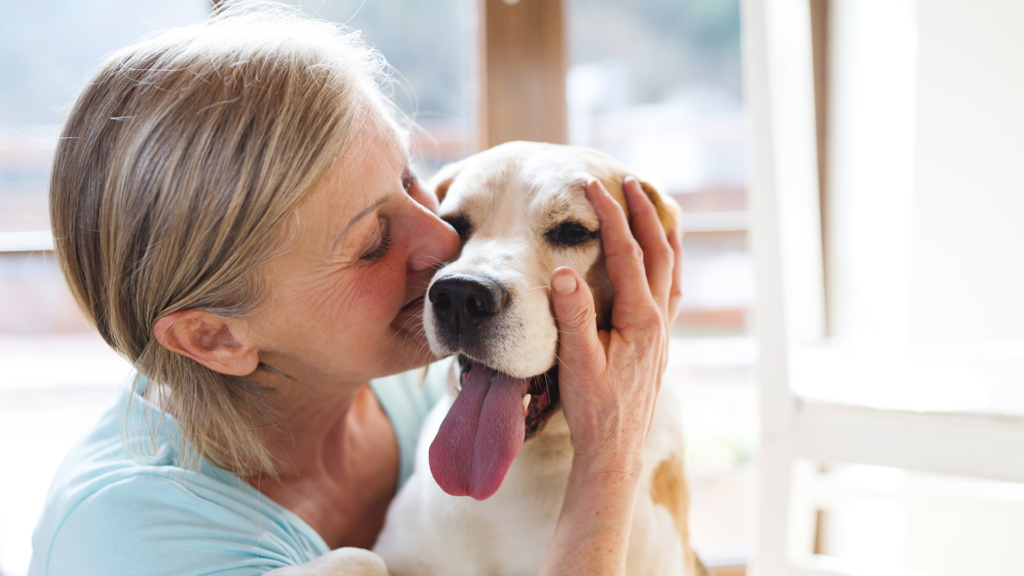
Some breeds are especially known for this behavior and are often called “Velcro dogs” because they constantly stick close to their owners.
In this guide, we’ll explore why dogs follow people everywhere, what this behavior means emotionally, and when clinginess may become a concern.
Dogs Are Naturally Social Animals
Dogs evolved from pack animals that relied heavily on social cooperation and group bonding.
In the wild, staying close to trusted companions helped provide:
- Safety
- Protection
- Communication
- Social connection
Even though modern dogs are domesticated, many of these instincts still exist.
Humans become part of a dog’s social group, which is why many dogs naturally prefer staying nearby.
Following You Often Means Trust
One of the most common reasons dogs follow owners everywhere is emotional trust.
Dogs usually stay close to people who:
- Feed them
- Protect them
- Comfort them
- Create routines
- Provide emotional security
When dogs consistently follow someone around the house, it often reflects a strong emotional bond.
Some Dogs Become “Velcro Dogs”
Certain dogs are naturally more attached than others.
A “Velcro dog” is a dog that constantly wants to remain physically close to its owner.
These dogs may:
- Follow people everywhere
- Sleep nearby
- Sit on owners’ feet
- Watch owners constantly
- Become anxious during separation
Companion breeds and highly social dogs often display stronger attachment behavior.
Dogs Learn Human Routines
Dogs are incredibly observant animals.
Over time, they begin associating human movement with:
- Food
- Walks
- Playtime
- Attention
- Interesting activities
Sometimes dogs follow owners simply because they think something exciting might happen.
For example:
- Going to the kitchen may mean treats
- Putting on shoes may mean a walk
- Standing up may signal activity
Dogs quickly learn behavioral patterns and routines.
Following You Can Be a Sign of Affection
Dogs often stay physically close because they enjoy companionship.
This behavior may reflect:
- Love
- Emotional connection
- Comfort
- Loyalty
Highly affectionate dogs usually enjoy constant interaction and social closeness with their favorite people.
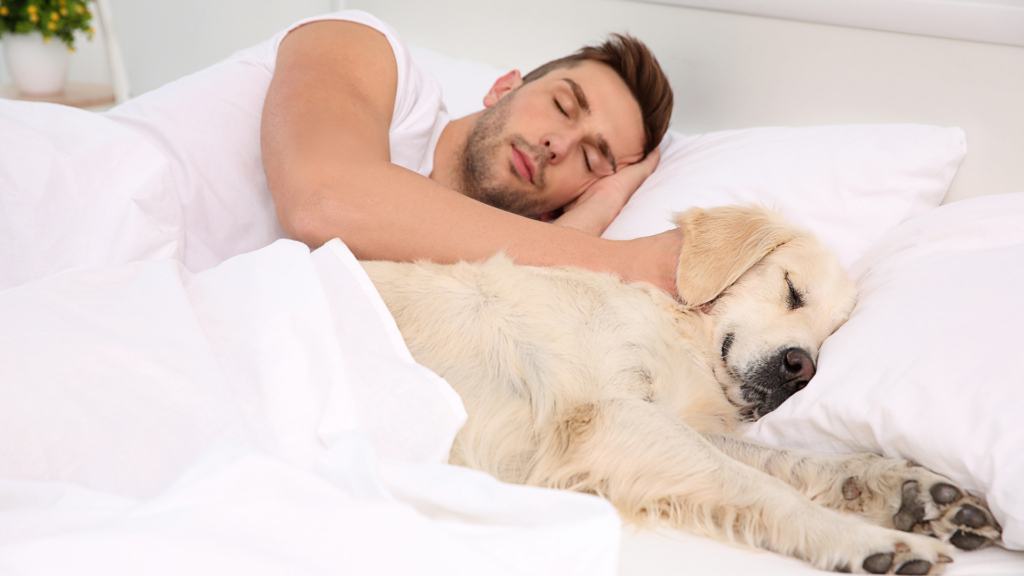
Many owners notice that dogs displaying this behavior also prefer sleeping next to humans whenever possible.
Puppies Often Follow Owners Constantly
Puppies naturally follow humans because they are:
- Learning the environment
- Seeking safety
- Building attachment
- Exploring social bonds
Young dogs are still developing confidence and independence.
Following trusted humans helps them feel more secure during development.
Some Breeds Are More Clingy Than Others
Certain breeds are especially known for attachment behavior.
Examples include:
- Golden Retrievers
- Labrador Retrievers
- Vizslas
- Cavalier King Charles Spaniels
- French Bulldogs
These breeds often thrive on human interaction and emotional closeness.
Dogs bred primarily for companionship tend to display clingier behavior more often.
Dogs Often Follow Their Favorite Person
Many dogs form especially strong attachments to one specific person in the household.
This usually develops through:
- Feeding routines
- Playtime
- Daily interaction
- Emotional connection
- Time spent together
Dogs often choose to follow the person they feel most emotionally connected to.
Curiosity Also Plays a Role
Sometimes dogs simply want to know what is happening.
Dogs are naturally curious animals, and human movement often attracts their attention.
Your dog may follow you because:
- They are bored
- They want stimulation
- They are curious
- They do not want to miss activity
This is especially common in intelligent or highly alert breeds.
Dogs Use Physical Closeness for Emotional Comfort
Physical proximity can help dogs feel calm and emotionally secure.
Some dogs stay close because:
- Your presence reduces stress
- Familiar scents create comfort
- Routines feel reassuring
- They enjoy companionship
This is especially common during:
- Storms
- Stressful situations
- New environments
- Changes in routine
Following Behavior Can Sometimes Signal Anxiety
Although following owners is usually normal, excessive clinginess may occasionally indicate separation anxiety.
Signs of unhealthy attachment may include:
- Panic when owners leave
- Excessive whining
- Destructive behavior alone
- Constant distress
- Refusing to relax independently
Dogs with severe anxiety may struggle emotionally whenever separated from their owners.
Rescue Dogs May Become Especially Attached
Rescue dogs sometimes develop extremely strong attachment behavior after adoption.
This often happens because:
- They finally feel safe
- They crave stability
- They fear abandonment
- They form deep emotional gratitude
Many rescue dogs become highly loyal companions once trust develops.
Read also: 7 Benefits of CBD for Dogs: Improving Health and Quality of Life
Dogs Also Follow Human Energy
Dogs are extremely sensitive to emotional energy and behavior.
They often notice:
- Mood changes
- Tone of voice
- Stress levels
- Excitement
- Emotional shifts
Some dogs follow owners more closely during emotional moments because they are trying to stay connected and aware.
Is It Bad if Dogs Follow You Everywhere?
Usually, no.
In most cases, this behavior simply reflects:
- Bonding
- Trust
- Affection
- Social attachment
Dogs are social companions by nature, and many genuinely enjoy staying close to their favorite humans.
However, healthy independence is also important.
Dogs should still feel comfortable:
- Resting alone
- Relaxing independently
- Spending short periods separated
How to Encourage Healthy Independence
If your dog becomes overly dependent, helping build confidence can improve emotional balance.
Helpful strategies include:
- Independent playtime
- Puzzle toys
- Gradual separation training
- Calm departures and returns
- Positive reinforcement
Building independence does not weaken the bond. It actually helps reduce stress and anxiety.
Why Humans Love This Behavior
People naturally interpret following behavior as loyalty and affection.
Dogs staying close often feels emotionally meaningful because it reflects:
- Trust
- Attachment
- Companionship
- Emotional connection
For many owners, this dog behavior strengthens the feeling that dogs truly become part of the family.
Final Thoughts
Dogs follow humans everywhere for many reasons, including emotional attachment, trust, curiosity, routine, affection, and social instincts.
In most cases, this behavior reflects a healthy emotional bond between dogs and their owners. Dogs naturally enjoy staying close to the people who make them feel safe, loved, and emotionally connected.
Whether your dog follows you into the kitchen, waits outside the bathroom, or never lets you out of sight, that clingy behavior is often one of the clearest signs of companionship and trust.