Many dog owners have experienced a surprising moment.
You’re feeling sad, stressed, or upset, and suddenly your dog seems to behave differently. They may sit closer, rest their head on your lap, follow you around more than usual, or quietly stay by your side.
These experiences often leave people wondering:
Can dogs actually sense human sadness?
The answer appears to be yes.
While dogs may not understand sadness exactly the way humans do, research suggests they are remarkably skilled at detecting emotional changes through body language, facial expressions, voice tone, scent, and behavior.
In this guide, we’ll explore how dogs respond to human emotions, what science says about canine emotional intelligence, and why many dogs seem to know when their owners are having a difficult day.
Dogs Are Experts at Reading Humans
Dogs have spent thousands of years evolving alongside humans.
During that time, they became exceptionally good at observing:
- Facial expressions
- Body language
- Voice tone
- Daily routines
- Emotional changes
Many researchers believe dogs are among the most socially intelligent animals when it comes to understanding people.
This helps explain why they often react differently when owners appear sad or distressed.
Dogs Notice Changes in Body Language
When people feel sad, their body language often changes naturally.
For example:
- Slower movement
- Less eye contact
- Slumped posture
- Reduced energy
- Different facial expressions
Dogs constantly observe these subtle signals.
Even changes humans barely notice can be obvious to a dog.
Dogs Listen to Voice Tone
Dogs may not understand every word we say, but they are highly sensitive to tone of voice.
When people are sad, their voices often become:
- Softer
- Slower
- Less energetic
- More emotional
Dogs frequently react to these changes.
Many owners notice their dogs becoming calmer or more attentive during emotional conversations.
Dogs Can Detect Changes in Human Scent
One of the most fascinating discoveries involves a dog’s sense of smell.
Dogs possess an extraordinary ability to detect chemical changes in the human body.
When people experience emotions like:
- Stress
- Fear
- Anxiety
- Sadness
…their bodies may release different hormones and chemical compounds.
Dogs can often detect these subtle scent changes long before humans recognize them consciously.
Research Suggests Dogs Respond to Human Emotions
Several studies have shown that dogs react differently when humans display emotional behavior.
Researchers have observed dogs responding to:
- Crying
- Distress
- Anxiety
- Fearful body language
In many cases, dogs approach people who appear upset more frequently than people who appear calm or neutral.
This suggests dogs are noticing emotional cues and adjusting their behavior accordingly.
Dogs Often Try to Provide Comfort
Many owners report that dogs become more affectionate when they are feeling sad.
Common behaviors include:
- Leaning against people
- Sitting closer
- Resting their heads on laps
- Following owners around
- Increased physical contact
These comforting behaviors often strengthen the emotional bond between dogs and humans.
Is This Empathy?
Scientists continue debating exactly how canine empathy works.
Dogs may not experience empathy in the same way humans do.
However, many researchers believe dogs demonstrate a form of emotional responsiveness that allows them to:
- Recognize distress
- React to emotional changes
- Modify their behavior accordingly
Whether we call it empathy or emotional awareness, the effect is often very similar.
Dogs Learn Emotional Patterns
Dogs are incredibly observant.
Over time, they learn:
- How owners behave when happy
- How owners behave when stressed
- How owners behave when sad
This experience helps dogs recognize emotional patterns and respond more effectively.
Why Some Dogs React More Than Others
Not all dogs respond to sadness in the same way.
Factors that influence emotional responsiveness include:
- Personality
- Breed
- Socialization
- Training
- Attachment level
Some dogs are naturally more attentive and emotionally aware than others.
Highly Attached Dogs Often Notice More
Dogs that have strong emotional bonds with their owners tend to be especially observant.
These dogs often display behaviors like:
- Following owners everywhere
- Maintaining eye contact
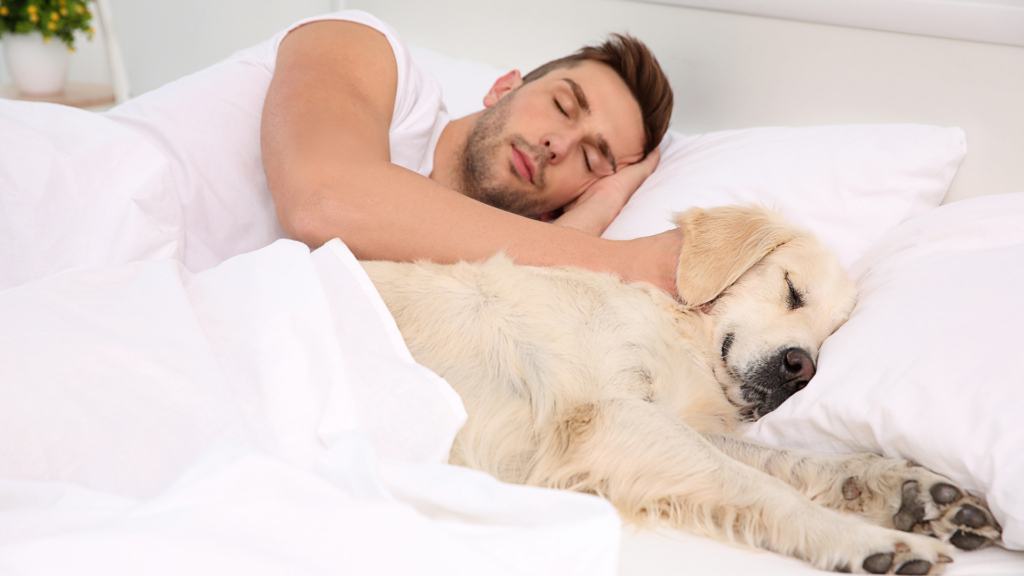
- Sleeping nearby
- Seeking physical closeness
The stronger the attachment, the more likely the dog is to notice emotional changes.
Dogs that have developed deep bonds often show many of the same behaviors discussed in our guide on how long it takes a dog to bond with you.
Dogs Respond to Crying Differently
Many owners report that dogs react immediately when they cry.
Common responses include:
- Approaching the person
- Licking hands or faces
- Leaning against them
- Sitting quietly nearby
Researchers have observed similar behaviors in controlled studies involving human crying.
Dogs May Be Reacting to Distress Rather Than Sadness
An important distinction exists.
Dogs may not specifically identify the emotion as “sadness.”
Instead, they may simply detect:
- Emotional distress
- Unusual behavior
- Changes in energy
- Signs that something is wrong
Either way, many dogs respond by increasing social contact.
Dogs Often Mirror Human Emotions
Dogs frequently take emotional cues from their owners.
This phenomenon is sometimes called emotional contagion.
For example:
- Calm owners often have calmer dogs
- Anxious owners may have more anxious dogs
- Stressed environments can affect dog behavior
Dogs and humans often influence each other’s emotional states.
Rescue Dogs Can Be Especially Sensitive
Many rescue dogs develop strong emotional awareness after forming bonds with trusted owners.
These dogs may become especially attentive because:
- They rely heavily on social cues
- They value emotional security
- They have developed strong attachment relationships
Many rescue owners describe their dogs as unusually intuitive.
Dogs Use Multiple Sources of Information
Dogs do not rely on just one signal.
They combine information from:
- Smell
- Voice tone
- Body language
- Facial expressions
- Movement patterns
This gives them a surprisingly accurate picture of how humans are feeling.
Why Dogs and Humans Connect So Well
The relationship between dogs and humans is unique in the animal world.
Dogs have evolved specifically to:
- Communicate with people
- Understand human behavior
- Form social bonds
- Live closely with families
This helps explain why emotional communication between species can feel so natural.
Can Dogs Help During Difficult Emotional Periods?
Many people find comfort in spending time with dogs during stressful periods.
Dogs may help by:
- Providing companionship
- Encouraging routine
- Offering physical affection
- Reducing feelings of loneliness
This is one reason dogs are often used in therapy and emotional support roles.
Emotional Bonds Make Dogs More Observant
The stronger the relationship, the more closely dogs tend to monitor their owners.
Dogs that feel emotionally connected often:
- Watch owners carefully
- Seek physical closeness
- Notice behavioral changes
- Respond to emotional shifts
Many of these behaviors are also seen in dogs that miss their owners when separated.
Final Thoughts
Dogs may not fully understand human sadness the way another person would, but they are remarkably skilled at detecting emotional changes.
Through scent, body language, voice tone, facial expressions, and experience, dogs often recognize when something feels different and respond in ways that appear caring and supportive.
Whether they are leaning against you, sitting quietly nearby, or offering extra affection, many dogs seem uniquely capable of providing comfort when their favorite humans need it most.