One of the biggest surprises for new dog owners is just how much puppies sleep.
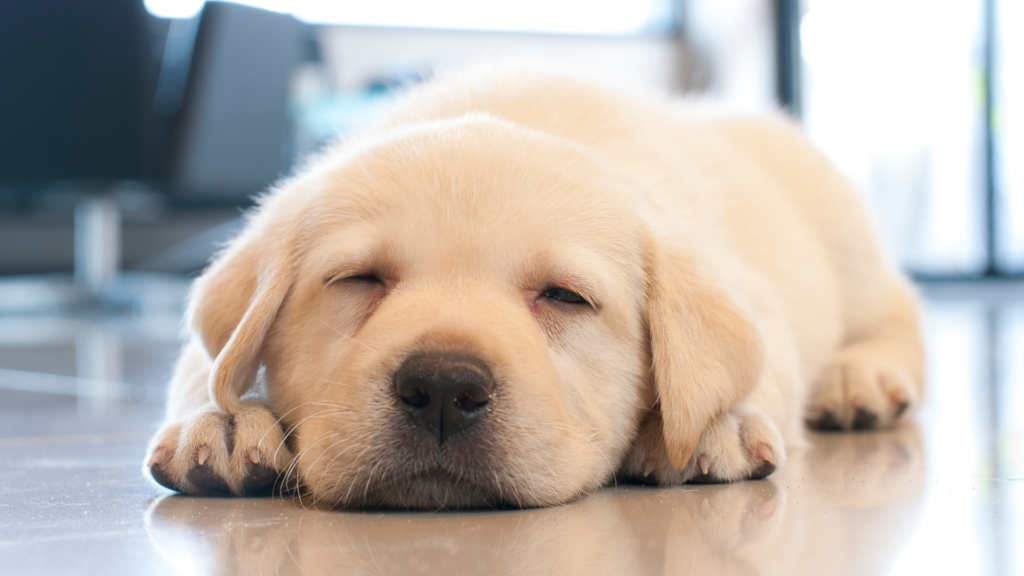
While puppies can be energetic, playful, and seemingly unstoppable when awake, they actually spend most of their early lives sleeping. In fact, proper sleep is essential for healthy growth, brain development, learning, and emotional regulation.
Many new owners worry when their puppy sleeps for long periods during the day. Fortunately, in most cases, this is completely normal.
Understanding your puppy’s sleeping schedule can help you create better routines, reduce stress, and ensure your puppy gets the rest they need.
Why Sleep Is So Important for Puppies
Sleep helps puppies:
- Grow physically
- Develop healthy brains
- Process new experiences
- Improve memory
- Regulate emotions
- Support immune function
Just like human babies, puppies need significantly more sleep than adult dogs.
How Much Do Puppies Sleep?
Most puppies sleep between 18 and 20 hours per day.
The exact amount depends on:
- Age
- Breed
- Activity level
- Health
- Individual personality
Young puppies typically sleep more than older puppies.
Puppy Sleep Chart by Age
| Puppy Age | Average Daily Sleep |
|---|---|
| 8 to 10 weeks | 18 to 20 hours |
| 11 to 14 weeks | 18 to 19 hours |
| 15 to 18 weeks | 16 to 18 hours |
| 4 to 6 months | 15 to 17 hours |
| 6 to 12 months | 14 to 16 hours |
These are general guidelines rather than strict rules.
Typical Daily Puppy Schedule
| Activity | Time |
|---|---|
| Sleep | 18 to 20 hours |
| Play | 1 to 2 hours |
| Walks and Exercise | 30 to 60 minutes |
| Training | 10 to 20 minutes |
| Meals | 3 to 4 feeding sessions |
Most puppy days consist of short periods of activity followed by long naps.
Sleep Needs at 8 to 10 Weeks
Young puppies are still adjusting to life away from their litter.
At this age, puppies typically:
- Sleep 18 to 20 hours daily
- Wake frequently
- Need regular potty breaks
- Tire quickly
Owners should avoid overstimulation during this period.
How Much Do 8-Week-Old Puppies Sleep?
Eight-week-old puppies sleep more than almost any other age group.
At this stage, most puppies sleep between 18 and 20 hours per day.
This heavy sleep schedule supports:
- Brain development
- Physical growth
- Learning
- Emotional regulation
- Immune system development
Eight-week-old puppies usually alternate between short periods of activity and long naps.
Typical Schedule for an 8-Week-Old Puppy
| Activity | Approximate Time |
|---|---|
| Sleep | 18 to 20 hours |
| Play | 1 hour |
| Meals | 3 to 4 times daily |
| Potty breaks | Every 2 to 3 hours |
| Training | 5 to 10 minutes |
New owners are often surprised by how much sleep young puppies need, but this is completely normal.
Sleep Needs at 11 to 14 Weeks
Puppies become slightly more active during this stage.
You may notice:
- Longer play sessions
- Increased curiosity
- More social interaction
However, they still require significant amounts of sleep for healthy development.
How Much Do 12-Week-Old Puppies Sleep?
By 12 weeks, puppies are becoming more active and curious, but they still need a tremendous amount of rest.
Most 12-week-old puppies sleep between 18 and 19 hours each day.
At this age, owners may notice:
- Longer play sessions
- Increased curiosity
- Better focus during training
- More social interaction
Even though puppies appear more energetic, sleep remains essential for healthy development.
Typical Schedule for a 12-Week-Old Puppy
| Activity | Approximate Time |
|---|---|
| Sleep | 18 to 19 hours |
| Play and exercise | 1 to 2 hours |
| Meals | 3 times daily |
| Training | 10 to 15 minutes |
| Walks | Short walks only |
Overtired puppies often become hyperactive, which is why proper rest is just as important as exercise.
How Much Do 14-Week-Old Puppies Sleep?
Many owners wonder whether their 14-week-old puppy is sleeping too much.
In most cases, the answer is no.
Fourteen-week-old puppies generally sleep between 18 and 19 hours per day.
Although puppies become increasingly playful during this stage, their brains and bodies are still developing rapidly.
Common behaviors at 14 weeks include:
- Longer periods of play
- Increased chewing
- More curiosity
- Greater independence
- Stronger social interactions
Typical Schedule for a 14-Week-Old Puppy
| Activity | Approximate Time |
|---|---|
| Sleep | 18 to 19 hours |
| Play | 1 to 2 hours |
| Meals | 3 times daily |
| Training | 10 to 20 minutes |
| Walks | Several short sessions |
If your 14-week-old puppy sleeps a lot, this is usually a sign of healthy development rather than a cause for concern.
Sleep Needs at 4 to 6 Months
By this stage:
- Energy levels increase
- Training sessions become longer
- Attention spans improve
Most puppies still sleep 15 to 17 hours per day.
Sleep Needs at 6 to 12 Months
Adolescent puppies often appear more energetic, but sleep remains extremely important.
During this stage:
- Growth continues
- Hormonal changes occur
- Training becomes more advanced
Many young dogs still sleep 14 to 16 hours daily.
Why Puppies Nap So Frequently
Puppies rarely stay awake for long periods.
Most puppies follow a cycle of:
- Activity
- Exploration
- Play
- Sleep
A puppy may play intensely for 30 minutes and then need a long nap.
This pattern is completely normal.
Overtired Puppies Can Become Hyperactive
One of the biggest mistakes new owners make is assuming an energetic puppy needs more stimulation.
In reality, many hyperactive puppies are simply overtired.
Common signs include:
- Excessive biting
- Zoomies
- Difficulty settling
- Increased barking
- Poor focus
Often, the solution is more rest rather than more activity.
Creating a Healthy Puppy Sleep Routine
Consistency helps puppies feel secure.
Try to establish:
- Regular feeding times
- Consistent bedtime
- Predictable nap opportunities
- Structured play periods
Routine reduces stress and supports healthy sleep habits.
Creating a consistent routine also helps avoid many of the problems discussed in our guide on crate training mistakes new owners make.
Best Places for Puppies to Sleep
Most puppies do best in:
- Crates
- Puppy pens
- Quiet rooms
- Designated sleeping areas
A consistent sleeping location helps create positive associations with rest.
Should Puppies Sleep in a Crate?
Many owners successfully use crates for sleep.
Benefits include:
- Security
- House training support
- Reduced accidents
- Safe resting space
When introduced properly, crates often become a puppy’s favorite sleeping area.
Nighttime Puppy Sleep
Young puppies may wake during the night because:
- Their bladder is small
- They need potty breaks
- They are adjusting to a new home
Most puppies gradually sleep longer through the night as they mature.
When Do Puppies Start Sleeping Through the Night?
One of the most common questions new owners ask is when puppies begin sleeping through the night.
Most puppies start sleeping through the night between 12 and 16 weeks of age.
However, the exact timing depends on:
- Breed
- Bladder development
- Feeding schedule
- Exercise levels
- Crate training
- Individual personality
Young puppies often wake because they:
- Need potty breaks
- Feel lonely
- Are adjusting to a new environment
By four months of age, many puppies can comfortably sleep for seven to eight hours without interruption.
Typical Nighttime Development
| Puppy Age | Nighttime Sleep |
|---|---|
| 8 weeks | 2 to 4 hours at a time |
| 10 weeks | 4 to 6 hours |
| 12 weeks | 6 to 7 hours |
| 16 weeks | 7 to 8 hours |
| 6 months | Full night for most puppies |
Consistency and routine are usually the keys to helping puppies sleep longer at night.
Signs Your Puppy Is Getting Enough Sleep
A well-rested puppy typically:
- Learns more easily
- Shows good energy levels
- Has better emotional control
- Settles comfortably
Healthy sleep supports nearly every aspect of development.
Signs Your Puppy Needs More Sleep
Watch for:
- Excessive biting
- Difficulty focusing
- Hyperactivity
- Irritability
- Frequent zoomies
These behaviors often improve when puppies receive more rest.
Exercise and Sleep Work Together
Proper exercise helps support healthy sleep.
However, puppies should not be over-exercised.
Balance is important:
- Short walks
- Training sessions
- Mental enrichment
- Playtime
followed by adequate rest.
Building a New Puppy Routine
New owners often struggle with creating structure.
A healthy routine includes:
- Feeding
- Potty breaks
- Play
- Training
- Sleep
Many owners find success by combining sleep schedules with a broader new puppy routine.
Products That Support Better Sleep
Several products can help create a comfortable sleeping environment.
Examples include:
- Crates
- Puppy beds
- Blankets
- White noise machines
- Exercise pens
For a complete setup guide, see our article on the best dog products for new owners.
Sleep Helps Puppies Build Trust
Rest and security often go together.
Puppies that feel safe enough to sleep deeply are often becoming more comfortable in their environment.
Many owners notice sleep quality improving as their puppy develops confidence and attachment.
As puppies become more comfortable and emotionally secure, owners often begin noticing many of the behaviors discussed in our article on signs your puppy trusts you.
Common Sleep Questions From New Owners
Is It Normal for My Puppy to Sleep All Day?
Yes.
Most puppies sleep between 18 and 20 hours daily.
Should I Wake My Puppy Up?
Generally no.
Healthy puppies should usually be allowed to wake naturally.
Why Does My Puppy Get Crazy at Night?
Many puppies become overtired during the evening, which can trigger hyperactive behavior.
Frequently Asked Questions
How Much Do Puppies Sleep?
Most puppies sleep between 18 and 20 hours a day during their first few months.
How Much Do 8-Week-Old Puppies Sleep?
Eight-week-old puppies usually sleep 18 to 20 hours each day.
How Much Do 12-Week-Old Puppies Sleep?
Most 12-week-old puppies sleep around 18 to 19 hours daily.
How Much Do 14-Week-Old Puppies Sleep?
A 14-week-old puppy typically sleeps between 18 and 19 hours a day, which is completely normal.
When Do Puppies Start Sleeping Through the Night?
Most puppies begin sleeping through the night between 12 and 16 weeks of age.
Final Thoughts
A healthy puppy sleeping schedule is one of the most important parts of early development.
Most puppies require far more sleep than new owners expect, often spending 18 to 20 hours per day resting during their first months of life.
By providing a safe environment, consistent routine, and plenty of opportunities for rest, you’ll help your puppy grow into a healthy, happy, and well-adjusted adult dog.
Remember: a sleeping puppy is usually a healthy puppy.