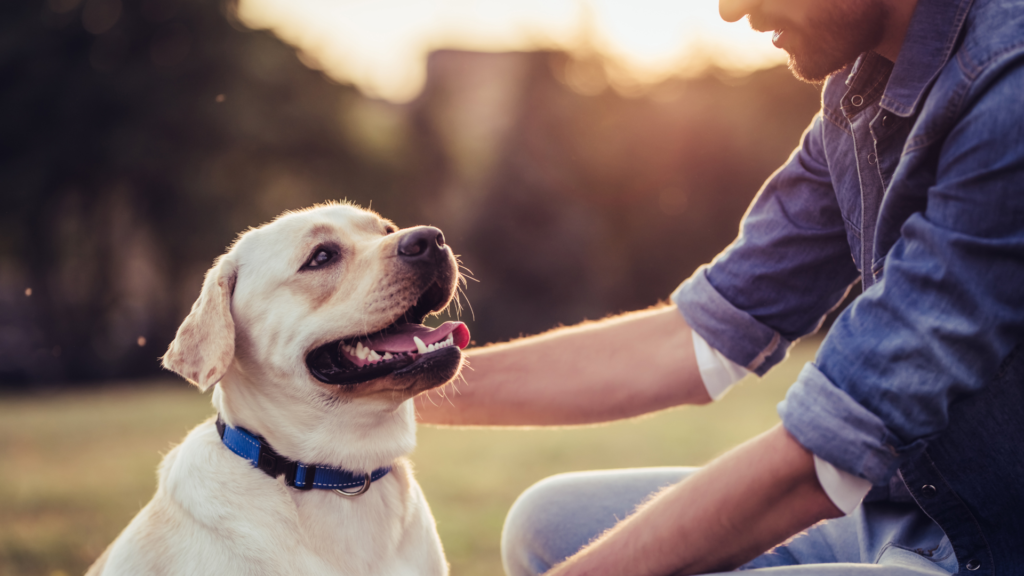
Bringing home a rescue dog is exciting, rewarding, and sometimes a little overwhelming.
Many new owners expect instant bonding and tail wags from day one. While some rescue dogs settle in quickly, others need time to decompress, build trust, and learn that they are finally safe.
The first week is one of the most important periods in your new dog’s life. The experiences they have during these early days can significantly influence how comfortable and confident they become in their new home.
If you’ve recently adopted a dog, this guide will help you understand what to expect and how to make the transition as smooth as possible.
Every Rescue Dog Is Different
No two rescue dogs arrive with the same history.
Some dogs come from:
- Loving homes
- Shelters
- Foster care
- Neglect situations
- Abandonment cases
Because of this, adjustment timelines vary significantly.
A confident young dog may settle in within days, while a fearful rescue may need weeks or months before fully relaxing.
What Happens During the First Week?
Many rescue dogs experience sensory overload when entering a new environment.
Everything is unfamiliar:
- People
- Smells
- Sounds
- Routines
- Sleeping areas
Even positive changes can feel stressful initially.
Common First-Week Behaviors
| Behavior | Is It Normal? |
|---|---|
| Hiding | Yes |
| Sleeping more than usual | Yes |
| Refusing food temporarily | Yes |
| Following owners closely | Yes |
| Nervousness around new people | Yes |
| Excessive excitement | Yes |
| Mild accidents indoors | Yes |
Most of these behaviors improve as the dog becomes more comfortable.
Understanding the 3-3-3 Rule
Many shelters and trainers use the 3-3-3 rule as a general guideline.
| Timeline | What Usually Happens |
|---|---|
| First 3 Days | Overwhelmed, cautious, observing |
| First 3 Weeks | Learning routines and beginning trust |
| First 3 Months | Deeper bonding and confidence |
Not every dog follows this timeline exactly, but it provides a useful framework.
Give Your Dog Time to Decompress
One of the biggest mistakes new owners make is trying to do too much too quickly.
During the first week:
- Avoid large gatherings
- Limit visitors
- Keep routines predictable
- Allow plenty of rest
Think of the first week as a decompression period rather than an adventure week.
Create a Safe Space
Every rescue dog should have a place where they can relax without being disturbed.
This might include:
- A crate
- A dog bed
- A quiet room
- A designated corner
Giving your dog control over their space helps build confidence.
Keep Routines Consistent
Dogs thrive on predictability.
Try to keep:
- Feeding times
- Walk schedules
- Bedtime routines
- Potty breaks
…as consistent as possible.
Predictability helps reduce anxiety.
Don’t Force Affection
Many new owners want immediate bonding.
However, some rescue dogs may feel uncomfortable with:
- Constant petting
- Being picked up
- Excessive attention
- Forced interaction
Allow the dog to approach you at their own pace.
Trust develops faster when dogs feel respected.
Focus on Building Trust
The first week should focus primarily on trust.
Helpful activities include:
- Calm walks
- Feeding routines
- Gentle training
- Quiet companionship
- Positive reinforcement
Building trust is far more important than teaching tricks during this stage.
Many owners wonder how long it takes a dog to bond with you, and the first week plays a major role in that process.
Watch for Stress Signals
Rescue dogs often communicate discomfort through body language.
Common stress signals include:
- Lip licking
- Yawning
- Avoiding eye contact
- Trembling
- Pacing
- Hiding
Recognizing these signs helps prevent overwhelming your dog.
Expect Sleep Patterns to Change
Many rescue dogs sleep significantly more during the first week.
This happens because:
- Stress is exhausting
- They are processing change
- They finally feel safe enough to rest
Extra sleep is usually a positive sign.
House Training May Regress Temporarily
Even previously house-trained dogs may have accidents.
Reasons include:
- Stress
- New routines
- Different schedules
- Environmental changes
Remain patient and avoid punishment.
Consistency works better than correction.
Introduce the Home Gradually
You do not need to give your dog access to the entire house immediately.
Starting with smaller spaces often helps:
- Reduce anxiety
- Prevent accidents
- Build confidence
You can gradually expand access as comfort increases.
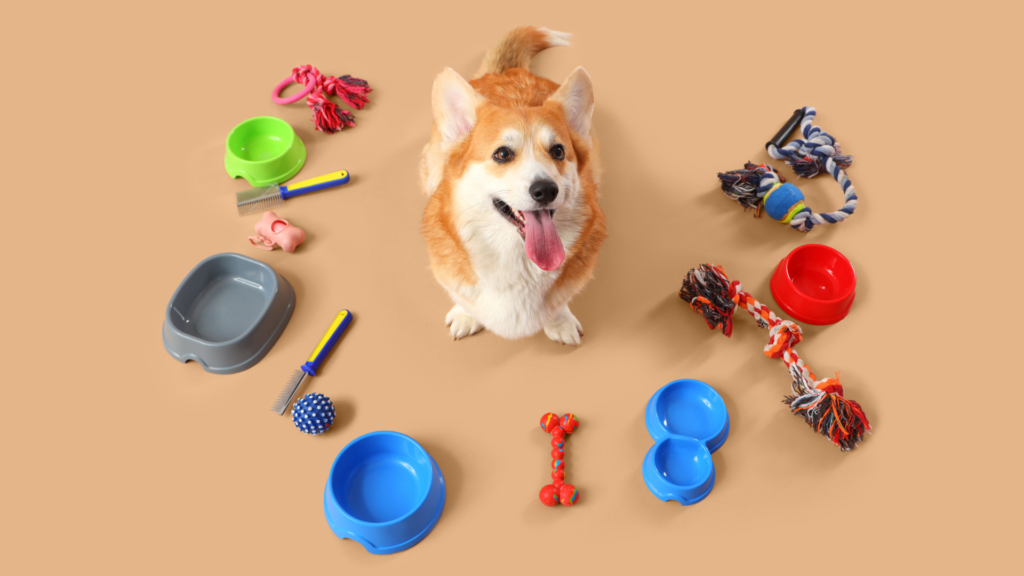
The Importance of Proper Equipment
Having the right supplies makes the transition easier.
Essential items include:
- Food bowls
- Water bowls
- Collar and ID tag
- Leash
- Bed
- Crate
- Toys
For a complete checklist, see our guide on the best dog products for new owners.
Training Should Stay Positive
The first week is not the time for strict correction.
Focus on:
- Rewarding good behavior
- Building confidence
- Creating positive experiences
Positive reinforcement helps rescue dogs associate you with safety and trust.
Let the Dog Set the Pace
Some rescue dogs immediately:
- Seek affection
- Follow owners everywhere
- Sleep nearby
Others remain cautious.
Both reactions are normal.
Avoid comparing your dog to others.
Children Need Guidance Too
If children live in the home, teach them:
- Not to chase the dog
- Not to force interaction
- To respect resting areas
- To remain calm and gentle
This helps create positive early experiences.
Celebrate Small Wins
Progress often happens gradually.
Small victories may include:
- Eating normally
- Accepting treats
- Relaxing in the home
- Tail wagging
- Seeking attention
These milestones often signal growing trust.
Signs Your Rescue Dog Is Settling In
Common signs include:
- Improved appetite
- Relaxed body language
- Better sleep
- Curiosity
- Playfulness
- Seeking companionship
As trust develops, many dogs begin showing behaviors similar to the signs your puppy trusts you.
Avoid Common First-Week Mistakes
Common mistakes include:
- Too many visitors
- Overstimulating activities
- Forcing affection
- Inconsistent routines
- Punishment-based training
Most adjustment problems improve when owners slow down and focus on stability.
Building a Long-Term Relationship
The first week is only the beginning.
The strongest relationships develop through:
- Consistency
- Patience
- Positive experiences
- Daily routines
Many rescue dogs eventually become incredibly loyal companions once trust is established.
Final Thoughts
The first week with a rescue dog is about patience, understanding, and creating a sense of safety.
Some dogs adjust quickly, while others need more time to trust their new environment and family.
Focus on consistency, routine, and positive interactions rather than immediate results.
With time, patience, and understanding, your rescue dog can develop the confidence and emotional security needed to thrive in their new home.