One of the most common questions new dog owners ask is:
“How often should I walk my dog?”
The answer depends on several factors, including your dog’s age, breed, size, energy level, and overall health.
While some dogs are happy with a couple of short walks each day, others require much more exercise and mental stimulation to stay healthy and happy.
In this guide, we’ll explain how often dogs should be walked, how long walks should last, and how to create a healthy exercise routine for your dog.
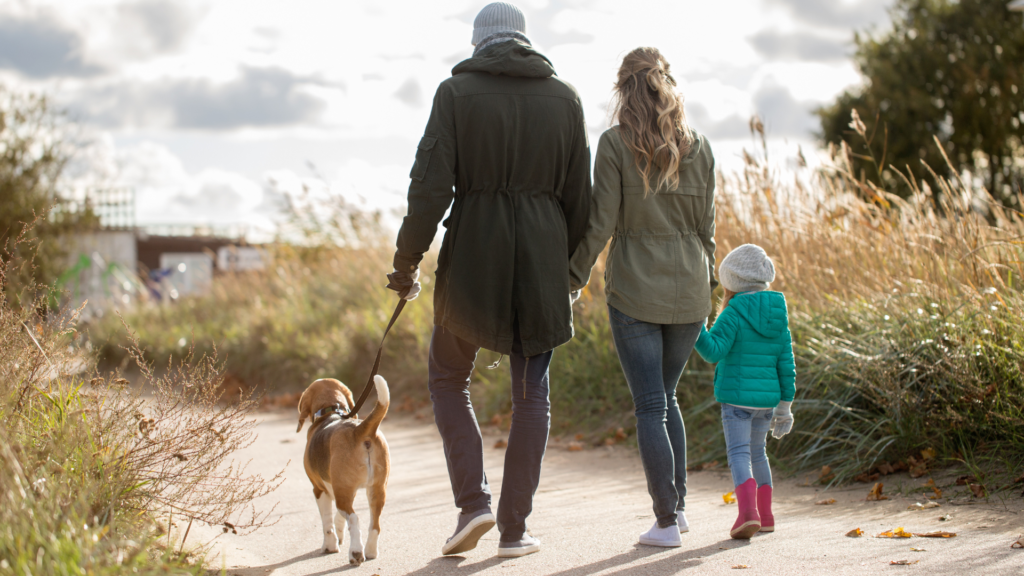
Why Daily Walks Matter
Walking provides far more than physical exercise.
Regular walks help:
- Maintain healthy weight
- Reduce boredom
- Prevent destructive behaviors
- Improve socialization
- Strengthen the bond between dogs and owners
- Provide mental stimulation
For many dogs, daily walks are one of the highlights of the day.
General Dog Walking Guidelines
| Dog Type | Recommended Walks Per Day | Total Exercise Time |
|---|---|---|
| Puppy | 3-5 short walks | 20-60 minutes |
| Small adult dog | 2 walks | 30-60 minutes |
| Medium adult dog | 2 walks | 45-90 minutes |
| Large adult dog | 2 walks | 60-120 minutes |
| Senior dog | 1-2 walks | 20-60 minutes |
These are general guidelines and should be adjusted to your dog’s individual needs.
Exercise Needs by Energy Level
| Energy Level | Typical Breeds | Daily Exercise |
|---|---|---|
| Low | Bulldog, Shih Tzu, Pug | 30-45 minutes |
| Moderate | Labrador Retriever, Beagle | 60-90 minutes |
| High | Border Collie, Australian Shepherd | 90-120+ minutes |
High-energy breeds often need additional mental stimulation beyond walks.
How Often Should Puppies Be Walked?
Puppies require a different approach than adult dogs.
Young puppies benefit from:
- Several short walks
- Frequent potty breaks
- Controlled exercise
- Plenty of rest
Over-exercising a puppy can place unnecessary stress on developing joints.
A Good Rule for Puppies
Many veterinarians recommend:
- About 5 minutes of exercise per month of age
- Up to twice daily
For example:
- 3-month-old puppy → about 15 minutes
- 6-month-old puppy → about 30 minutes
Puppies also need plenty of sleep.
Our guide on puppy sleeping schedules by age explains why rest is just as important as exercise.
Breed Matters
Different breeds have dramatically different exercise requirements.
High-energy breeds include:
- Border Collies
- Australian Shepherds
- Labrador Retrievers
- German Shepherds
Lower-energy breeds include:
- Bulldogs
- Basset Hounds
- Shih Tzus
- Pugs
Understanding your dog’s breed characteristics helps prevent both under-exercising and over-exercising.
Signs Your Dog Needs More Exercise
Dogs that do not receive enough activity may show:
- Excessive barking
- Hyperactivity
- Destructive chewing
- Digging
- Restlessness
- Attention-seeking behavior
Many behavior problems stem from boredom rather than disobedience.
Signs Your Dog May Be Getting Too Much Exercise
Excessive exercise can also cause problems.
Watch for:
- Limping
- Excessive panting
- Fatigue
- Reluctance to walk
- Sore muscles
Balance is important.
Walks Provide Mental Stimulation
Walking isn’t just about movement.
Dogs enjoy:
- New smells
- New sights
- Meeting people
- Exploring environments
Mental stimulation often tires dogs more effectively than physical activity alone.
Puppies Need Structure
Young dogs benefit from consistent routines.
A typical daily schedule includes:
- Sleep
- Feeding
- Potty breaks
- Playtime
- Training
- Short walks
Combined with proper crate training, structured routines help puppies develop confidence.
If you’re currently crate training, our article on common crate training mistakes can help you avoid many beginner errors.
Weather Matters
Adjust exercise depending on:
- Temperature
- Humidity
- Rain
- Snow
Hot weather presents special risks.
Avoid walking during the hottest hours of the day, especially for:
- Brachycephalic breeds
- Puppies
- Senior dogs
Senior Dogs Need Exercise Too
Older dogs still benefit from regular walks.
Benefits include:
- Joint mobility
- Mental stimulation
- Weight control
- Better overall health
However, walks should be shorter and adapted to individual limitations.
Exercise Beyond Walking
Walks are only part of the picture.
Dogs also benefit from:
- Fetch
- Training sessions
- Puzzle toys
- Nose work
- Playtime
Mental stimulation is often just as important as physical activity.
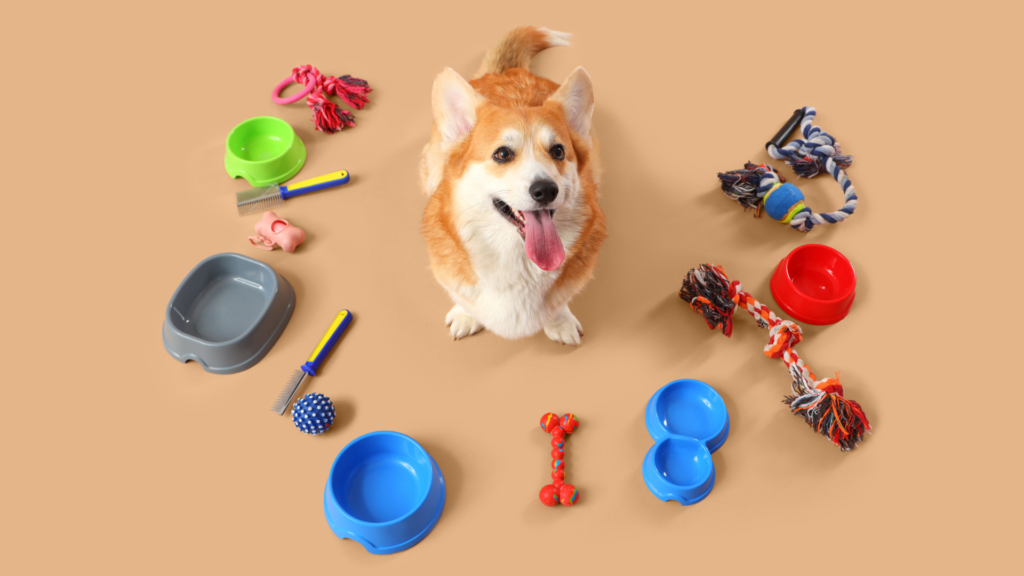
Products That Make Walks Easier
Some helpful products include:
- Comfortable harnesses
- Leashes
- Collapsible water bowls
- Poop bag dispensers
- Reflective gear
For a complete checklist, see our guide on the best dog products for new owners.
Common Mistakes New Owners Make
Many beginners:
- Underestimate exercise needs
- Overexercise puppies
- Skip mental stimulation
- Walk only once per day
- Ignore breed differences
The best routine is one that matches your individual dog’s needs.
Walking Strengthens the Human-Dog Bond
Daily walks are not just exercise.
They provide opportunities for:
- Training
- Communication
- Exploration
- Bonding
Many dogs become more relaxed and well-behaved when regular walks become part of their daily routine.
Frequently Asked Questions
Is One Walk Per Day Enough?
For some low-energy dogs, yes.
Most dogs benefit from two walks daily.
Can You Walk a Puppy Too Much?
Yes.
Young puppies need controlled exercise and plenty of rest.
Should Dogs Be Walked Every Day?
In most cases, yes.
Daily walks provide important physical and mental benefits.
What If I Have a Backyard?
A backyard is helpful, but it does not replace walks.
Walks provide mental stimulation that a yard alone cannot offer.
Final Thoughts
How often you should walk your dog depends on their age, breed, personality, and energy level.
Most adult dogs benefit from two walks each day, while puppies and seniors require more specialized routines.
Regular exercise helps maintain physical health, supports mental well-being, and strengthens the bond between dogs and owners.
At the end of the day, the best walking schedule is one that keeps your dog healthy, happy, and eager to grab the leash every time you head for the door.