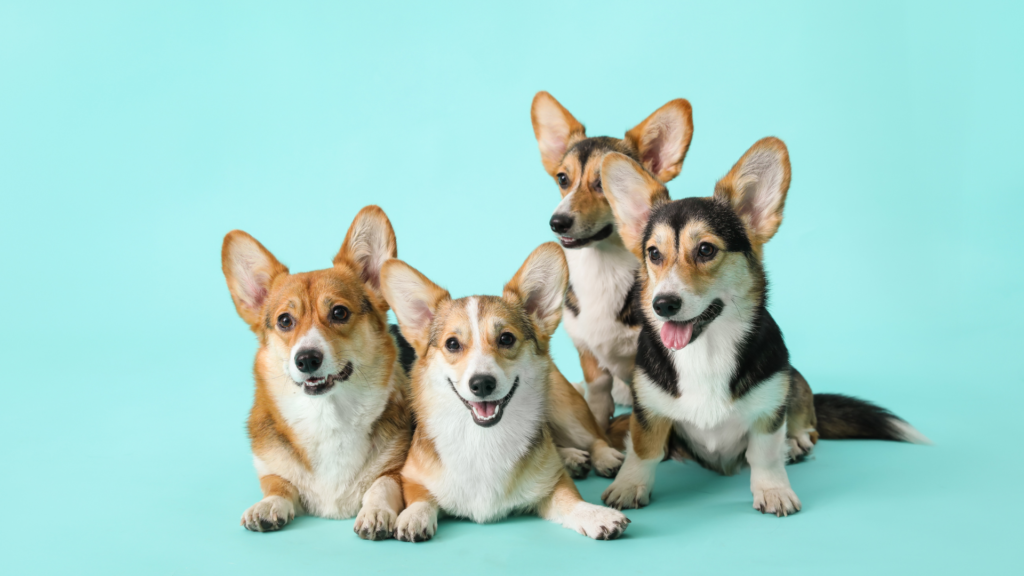
Every dog owner has heard it before. A soft whimper, a high-pitched cry, or persistent whining that seems to come out of nowhere.
Dog whining is one of the most common ways dogs communicate with their owners. While it can sometimes be frustrating, whining is usually your dog’s way of expressing a need, emotion, or concern.
Understanding why your dog is whining can help you respond appropriately and strengthen your bond with your furry companion.

Understanding Dog Communication
Dogs cannot use words to tell us what they need, so they rely on body language, facial expressions, and vocalizations.
Whining is just one part of a dog’s communication system.
Body Language
A dog’s body often provides important clues about how they feel.
Common signs include:
- Wagging tail may indicate happiness or excitement
- Tucked tail can signal fear or anxiety
- Relaxed posture often means comfort
- Stiff posture may suggest stress or tension
Facial Expressions
Dogs also communicate through facial movements.
You may notice:
- Raised eyebrows when curious
- Forward ears when alert
- Ears pulled back when nervous
- Soft eyes when relaxed
Vocalizations
Dogs use different sounds to express themselves.
Common vocalizations include:
- Barking
- Growling
- Howling
- Whining
Each sound can have multiple meanings depending on the situation.
Every Dog Is Different
Just like people, dogs have unique personalities.
Some dogs are naturally more vocal, while others communicate primarily through body language.
The more time you spend observing your dog, the easier it becomes to understand what they are trying to tell you.
Common Reasons for Dog Whining
There are many reasons why dogs whine.
The context usually provides important clues about what is causing the behavior.
They Want Attention
Many dogs quickly learn that whining gets their owner’s attention.
This is especially common in dogs that:
- Enjoy constant interaction
- Spend long periods alone
- Are highly social breeds
Read also: Can Dogs Sense Human Sadness? What Science Says About Dogs and Emotions
They Are Excited
Excitement often triggers whining.
You may notice whining when:
- You pick up the leash
- Visitors arrive
- Family members return home
- It’s time for a meal
This type of whining is usually accompanied by:
- Tail wagging
- Jumping
- Playful behavior
They Are Anxious or Stressed
Anxiety is one of the most common causes of dog whining.
Potential triggers include:
- Separation anxiety
- Thunderstorms
- Fireworks
- Travel
- New environments
Signs of anxiety may include:
- Pacing
- Panting
- Destructive behavior
- Excessive licking
They Are in Pain
Sudden whining can sometimes indicate pain or discomfort.
Watch for additional symptoms such as:
- Limping
- Loss of appetite
- Difficulty standing
- Changes in activity level
Pain-related whining should never be ignored.
They Need Something
Dogs often whine when they have a basic need.
Examples include:
- Food
- Water
- Bathroom break
- Access to outside
They Are Bored
Lack of physical exercise and mental stimulation can lead to whining.
Dogs may become frustrated when they don’t have enough opportunities to:
- Play
- Explore
- Exercise
- Solve problems
High-energy breeds are especially prone to boredom-related whining.
Read also: Do Dogs Miss Their Owners?
How to Respond to Dog Whining
The best response depends on why your dog is whining.
Understanding the cause is always the first step.
Identify the Reason
Before reacting, ask yourself:
- Is my dog hungry?
- Does my dog need to go outside?
- Is my dog anxious?
- Could my dog be in pain?
Meet Legitimate Needs
If your dog needs something important, address it promptly.
Examples include:
- Fresh water
- Bathroom breaks
- Exercise
- Medical attention
Comfort Anxious Dogs
If anxiety is the cause, try:
- Speaking calmly
- Providing a safe space
- Offering comfort without reinforcing fear
- Redirecting attention to a toy or activity
Ignore Attention-Seeking Whining
If your dog is whining purely for attention and all needs have been met:
- Avoid rewarding the behavior
- Wait for calm behavior
- Reward quiet moments instead
Consistency is important.
Seek Professional Help
If whining becomes excessive or difficult to manage, a professional dog trainer or behaviorist may be able to help identify the underlying cause.
When to Seek Veterinary Help
While dog whining is often harmless, it can sometimes signal a health problem.
Sudden Increase in Whining
Contact your veterinarian if your dog suddenly starts whining more than usual.
Especially if accompanied by:
- Lethargy
- Appetite changes
- Behavioral changes
Whining During Specific Activities
Pain-related whining may occur when:
- Climbing stairs
- Jumping
- Walking
- Using the bathroom
Signs of Distress
Seek veterinary attention if whining occurs alongside:
- Excessive panting
- Pacing
- Trembling
- Difficulty breathing
Whining That Won’t Stop
Persistent whining that does not improve with comfort or distraction may indicate an underlying issue.
Changes in Vocalization
A sudden change in the sound of your dog’s whine may also warrant medical evaluation.
Early diagnosis can help prevent more serious health problems from developing.
Preventing Excessive Whining
While occasional whining is normal, excessive whining can often be reduced through proper care and training.
Provide Adequate Exercise
Regular physical activity helps reduce:
- Boredom
- Anxiety
- Excess energy
Activities may include:
- Walks
- Fetch
- Hiking
- Play sessions
Offer Mental Stimulation
Mental exercise is just as important as physical exercise.
Helpful options include:
- Puzzle toys
- Training sessions
- Food-dispensing toys
- Interactive games
Read also: Can Dogs Have Mental Health Issues?
Establish a Routine
Dogs thrive on predictability.
Try to keep consistent:
- Feeding times
- Walk schedules
- Bedtimes
- Play sessions
Reward Calm Behavior
Positive reinforcement can help teach your dog that calm behavior earns rewards.
Reward:
- Quiet behavior
- Relaxation
- Patience
Avoid Reinforcing Whining
Giving attention every time your dog whines can unintentionally strengthen the behavior.
Instead:
- Wait for calm behavior
- Reward silence
- Remain consistent
Get Professional Support if Needed
For severe cases, a qualified trainer or dog behavior specialist may provide valuable guidance and solutions.
Final Thoughts
Dog whining is a normal form of communication that can express everything from excitement and affection to anxiety, boredom, or physical discomfort.
The key is understanding the context and paying attention to your dog’s overall behavior.
By learning what causes dog whining and responding appropriately, you can better meet your dog’s needs while reducing unnecessary or excessive vocalizations.
With patience, consistency, and observation, you’ll become much better at understanding what your dog is trying to tell you.