Every dog owner wants one thing above all else: a happy, healthy companion.
But unlike humans, dogs can’t tell us how they’re feeling. Instead, they communicate through body language, behavior, vocalizations, and daily habits. Fortunately, if you know what to look for, dogs provide plenty of clues about their emotional well-being.
Understanding the signs of a happy dog can help strengthen your bond and ensure your furry friend is living their best life.
Body Language Clues
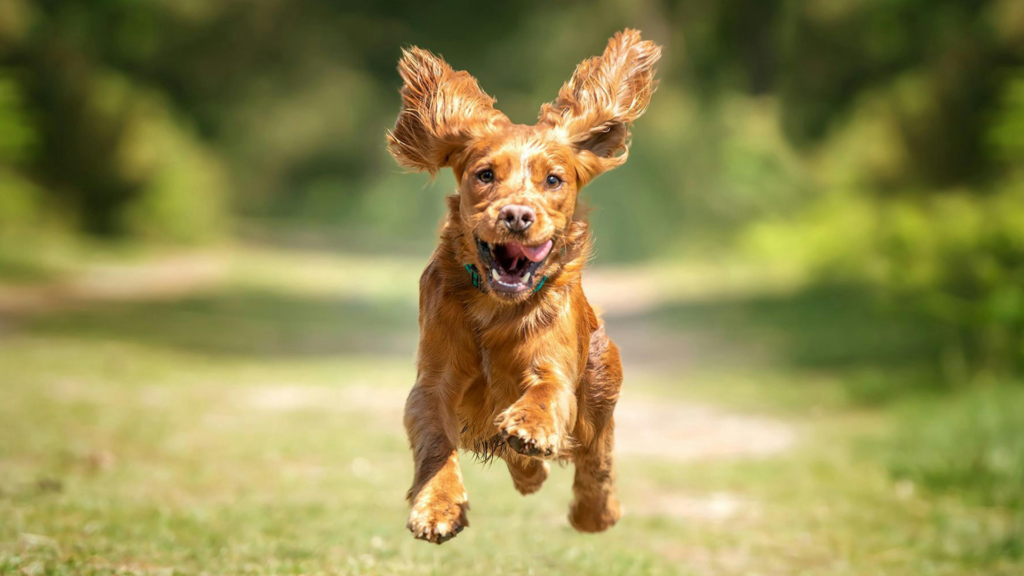
A dog’s body language is often the clearest indicator of happiness.
When dogs feel safe, relaxed, and content, their bodies naturally reflect those emotions.
Common Signs of a Happy Dog
| Body Language Signal | What It Usually Means |
|---|---|
| Loose tail wag | Happiness and excitement |
| Relaxed ears | Comfort and confidence |
| Soft eyes | Calm and contentment |
| Play bow | Invitation to play |
| Relaxed posture | Feeling safe |
| Full-body wiggle | Extreme excitement |
The Famous Tail Wag
A happy dog’s tail often:
- Wags loosely
- Moves naturally
- Appears relaxed
Remember that not all tail wagging indicates happiness. Context matters.
The Play Bow
One of the clearest signs of happiness is the play bow.
This occurs when your dog:
- Lowers their front legs
- Raises their rear end
- Appears eager to play
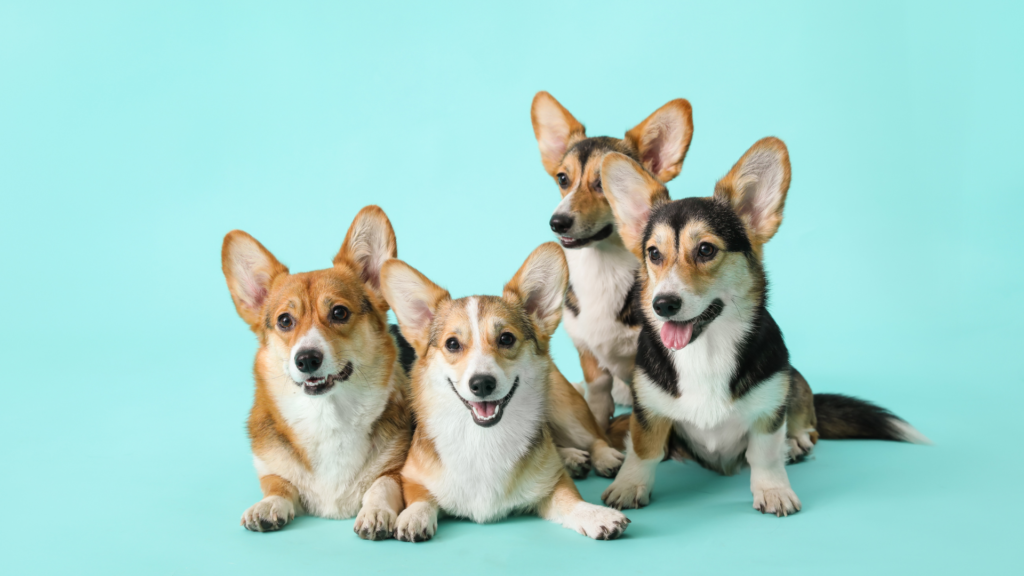
The Doggy Smile
Many happy dogs display:
- Relaxed mouths
- Slightly open jaws
- Soft facial expressions
Some even appear to be smiling.
Belly Exposure
When a dog rolls over and exposes their belly, it often signals:
- Trust
- Relaxation
- Comfort
A dog that feels safe around you is often a happy dog.
Vocal Cues
Dogs use a variety of sounds to communicate their emotions.
Listening to your dog’s vocalizations can provide valuable clues about their mood.
Happy Sounds vs Unhappy Sounds
| Vocalization | Possible Meaning |
|---|---|
| High-pitched bark | Excitement |
| Playful growl | Fun and engagement |
| Contented sigh | Relaxation |
| Excited whine | Anticipation |
| Excessive whining | Stress or anxiety |
| Persistent barking | Possible frustration |
Contented Sighs
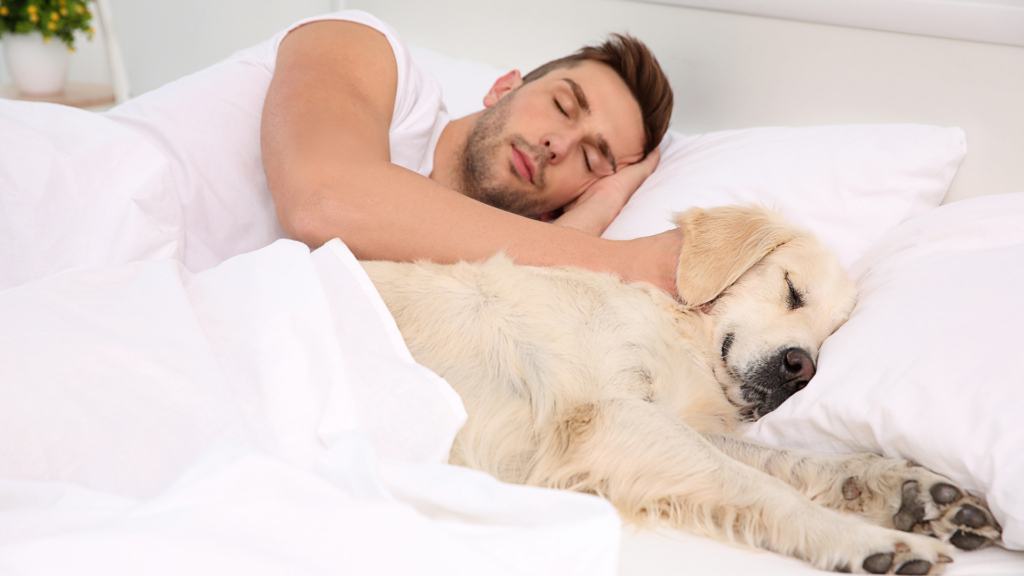
A relaxed sigh while lying next to you often means:
- Comfort
- Security
- Satisfaction
Excited Whining
Not all whining is negative.
Happy dogs may whine when:
- You’re preparing a walk
- Food is coming
- Visitors arrive
If your dog whines excessively, however, you may want to read our guide on dog whining.
Playful Growling
Many dogs growl during play.
Common examples include:
- Tug-of-war
- Wrestling with another dog
- Excited play sessions
When accompanied by relaxed body language, playful growls are perfectly normal.
Eating Habits and Appetite
A dog’s appetite can reveal a lot about their emotional and physical health.
Signs of a Happy Dog at Mealtime
- Excitement around feeding time
- Consistent appetite
- Interest in treats
- Healthy hydration habits
Appetite and Happiness
While appetite alone doesn’t guarantee happiness, sudden changes can indicate problems.
Watch for:
- Refusing food
- Sudden overeating
- Loss of interest in treats
Healthy Eating Behaviors
| Behavior | Positive Sign |
|---|---|
| Finishes meals consistently | Good health |
| Enjoys treats | Positive engagement |
| Drinks water regularly | Proper hydration |
| Uses food puzzles | Mental engagement |
Maintaining proper nutrition is also essential for long-term well-being and dog longevity.
Playfulness and Activity Levels
A happy dog usually enjoys being active and engaged.
Signs of Healthy Playfulness
- Initiates play
- Chases toys
- Enjoys walks
- Explores new environments
- Responds enthusiastically to activities
Common Activities Happy Dogs Enjoy
- Fetch
- Tug-of-war
- Walks
- Swimming
- Puzzle games
- Training exercises
Curiosity Is a Good Sign
Happy dogs often show curiosity by:
- Sniffing new objects
- Exploring new places
- Investigating sounds
- Learning new commands
Activity Level Comparison
| Behavior | Happy Dog | Potential Concern |
|---|---|---|
| Exercise | Enjoys activity | Avoids movement |
| Exploration | Curious | Withdrawn |
| Play | Regularly engaged | Disinterested |
| Energy | Consistent | Sudden lethargy |
A sudden drop in activity levels should always be monitored closely.
Social Interactions
Dogs are naturally social animals.
The way they interact with people and other animals often reflects their emotional well-being.
Signs of Positive Social Behavior
- Seeks affection
- Greets family members enthusiastically
- Enjoys interaction
- Plays appropriately with other dogs
- Responds positively to familiar people
Interactions With Other Dogs
Happy dogs often:
- Display relaxed body language
- Engage in play
- Respect social boundaries
- Show curiosity without aggression
Human Relationships
Strong bonds with humans are often characterized by:
- Following owners around
- Seeking physical contact
- Looking for reassurance
- Making eye contact
Dogs that enjoy positive social experiences are often more confident and emotionally balanced.
For additional insight into emotional wellness, see our guide on dog mental health.
Routine Checks
Dogs thrive on routine and predictability.
Many happy dogs become attached to their daily schedules.
Signs Your Dog Enjoys Their Routine
- Anticipates mealtimes
- Gets excited for walks
- Settles comfortably at bedtime
- Recognizes household patterns
Examples of Positive Routine Behaviors
| Routine | Happy Response |
|---|---|
| Feeding time | Excitement |
| Walk time | Anticipation |
| Bedtime | Relaxed settling |
| Play sessions | Enthusiasm |
Consistency Creates Security
Dogs often feel more comfortable when they know what to expect.
Consistent routines can help reduce:
- Stress
- Anxiety
- Behavioral issues
Predictability creates confidence and emotional stability.
Overall Health and Well-being
A happy dog is often a healthy dog.
Physical health and emotional health are closely connected.
Signs of Good Overall Health
- Healthy weight
- Bright eyes
- Healthy coat
- Good mobility
- Consistent energy levels
Physical Indicators of Happiness
| Indicator | Healthy Sign |
|---|---|
| Weight | Appropriate body condition |
| Coat | Shiny and clean |
| Eyes | Bright and clear |
| Teeth | Clean and healthy |
| Movement | Comfortable and fluid |
Coat Health Matters
A healthy coat is often a reflection of overall well-being.
Learn how to maintain a healthy dog coat.
Weight and Happiness
Maintaining a healthy dog weight can improve:
- Mobility
- Energy
- Joint health
- Overall quality of life
Regular Veterinary Care
Routine veterinary visits help ensure:
- Early detection of health problems
- Proper nutrition
- Preventive care
- Long-term wellness
Conclusion
While dogs may not be able to tell us directly that they’re happy, they communicate it every day through their actions, habits, and body language.
Signs You Have a Happy Dog
- Relaxed body language
- Healthy appetite
- Playful behavior
- Positive social interactions
- Consistent routines
- Good overall health
No single dog behavior proves happiness on its own. Instead, look at the complete picture of your dog’s daily life.
When your dog feels safe, loved, healthy, and engaged, happiness usually shines through in countless little ways, from a wagging tail to a contented sigh at the end of a great day.