Every dog owner wants their furry friend to live a long, happy, and active life. Unfortunately, canine obesity has become increasingly common, and many owners don’t realize their dog is carrying extra pounds until health problems begin to appear.
Maintaining a healthy weight isn’t just about appearance. It affects your dog’s mobility, energy levels, and overall quality of life.
This guide will help you determine whether your dog is overweight and what steps you can take to keep them healthy.
Understanding Canine Obesity
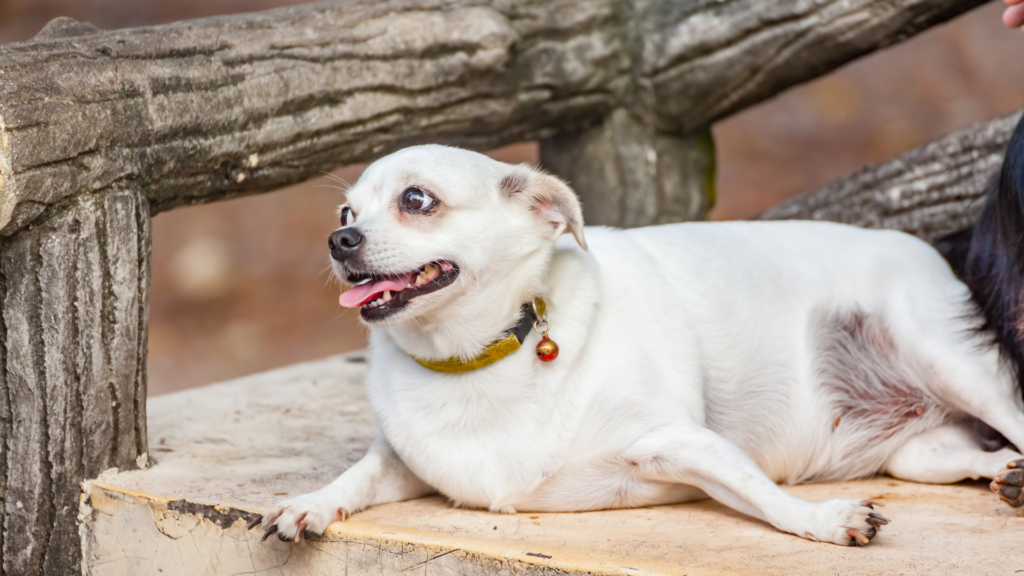
Canine obesity is typically defined as body weight that exceeds the ideal range by 10% to 20%.
Why Dogs Become Overweight
| Cause | Examples |
|---|---|
| Overfeeding | Large portions and too many treats |
| Lack of exercise | Sedentary lifestyle |
| Medical conditions | Hypothyroidism, Cushing’s disease |
| Aging | Slower metabolism |
| Neutering or spaying | Reduced calorie requirements |
| Genetics | Breed predisposition |
Breeds More Prone to Obesity
Some breeds are naturally more likely to gain weight, including:
- Labrador Retrievers
- Beagles
- Dachshunds
- Bulldogs
- Golden Retrievers
Emotional Effects
Obesity can also affect a dog’s mood and behavior.
Overweight dogs may become:
- Less playful
- More lethargic
- Less social
- More prone to anxiety
For more information about emotional well-being, see dog mental health.
Canine obesity is usually caused by a combination of genetics, lifestyle, and diet rather than a single factor.
Key Signs Your Dog Might Be Overweight
Recognizing excess weight early can prevent serious health problems later.
Physical Signs
| Sign | Possible Meaning |
|---|---|
| Ribs difficult to feel | Excess body fat |
| No visible waistline | Weight gain |
| Hanging belly | Obesity |
| Heavy panting | Reduced fitness |
| Fat deposits | Excess body fat |
| Waddling gait | Joint stress |
Perform a Rib Check
You should be able to:
- Feel the ribs easily
- See a defined waist from above
- Observe an abdominal tuck from the side
Behavioral Changes
Overweight dogs often show:
- Reduced energy
- Less interest in exercise
- Difficulty climbing stairs
- Faster fatigue
If you’re unsure, our guide to healthy dog weight can help you assess your dog’s body condition.
Early detection makes weight management much easier.
The Risks Associated With Canine Obesity
Extra weight places stress on nearly every part of the body.
Health Risks of Obesity
| Health Problem | Impact |
|---|---|
| Arthritis | Joint pain and stiffness |
| Heart disease | Reduced cardiovascular health |
| Diabetes | Blood sugar imbalance |
| Breathing difficulties | Reduced endurance |
| Liver disease | Organ dysfunction |
| Reduced lifespan | Shorter life expectancy |
Joint Problems
Excess weight increases the risk of:
- Arthritis
- Hip dysplasia
- Mobility issues
Diabetes
Obesity is one of the biggest risk factors for canine diabetes.
Reduced Longevity
Studies suggest overweight dogs may live shorter lives than dogs maintained at a healthy weight.
Learn more about dog longevity.
Coat and Skin Issues
Obese dogs may also experience:
- Skin infections
- Oily coats
- Difficulty grooming
Maintaining a healthy coat becomes more difficult when excess weight is present.
Preventing obesity is far easier than treating its consequences.
Weighing Your Dog the Right Way
Monitoring your dog’s weight regularly is one of the best ways to detect problems early.
How to Weigh Your Dog
Small Dogs
You can:
- Weigh yourself.
- Hold your dog and weigh again.
- Subtract your weight.
Large Dogs
Options include:
- Veterinary clinic scales
- Pet scales
- Large platform scales
Best Practices
- Weigh monthly.
- Use the same scale each time.
- Weigh at roughly the same time of day.
- Keep a record of results.
Beyond the Scale
Weight alone doesn’t tell the whole story.
Also evaluate:
- Muscle tone
- Body condition score
- Energy levels
- Mobility
Regular monitoring allows you to spot trends before they become major issues.
The Ideal Dog Weight Chart
Breed plays a major role in determining healthy weight.
Typical Weight Ranges
| Breed | Healthy Weight |
|---|---|
| Chihuahua | 2-6 lbs |
| Pomeranian | 3-7 lbs |
| Beagle | 20-25 lbs |
| Border Collie | 30-45 lbs |
| Labrador Retriever | 55-80 lbs |
| Golden Retriever | 65-75 lbs |
| German Shepherd | 50-90 lbs |
| Great Dane | 110-180 lbs |
Weight by Size Category
| Size | Average Weight |
|---|---|
| Toy | Under 10 lbs |
| Small | 10-25 lbs |
| Medium | 25-50 lbs |
| Large | 50-100 lbs |
| Giant | Over 100 lbs |
If you own one of the giant breeds, you may enjoy our guide to large dog breeds.
Remember that healthy weight varies based on age, muscle mass, and body condition.
Tips for Keeping Your Dog in Shape
Preventing weight gain is much easier than helping your dog lose excess pounds.
Healthy Habits
- Feed measured portions.
- Exercise daily.
- Limit treats.
- Avoid table scraps.
- Schedule regular veterinary visits.
Best Exercises
| Activity | Benefits |
|---|---|
| Walking | Weight control |
| Swimming | Joint-friendly exercise |
| Fetch | Cardiovascular health |
| Agility | Physical and mental stimulation |
| Puzzle toys | Mental enrichment |
Healthy Treat Options
Some low-calorie treats include:
- Carrots
- Green beans
- Blueberries
- Pumpkin
- Lean chicken
You can find additional ideas in our guide on dog weight loss.
Mental Stimulation Matters
Bored dogs may overeat.
Activities such as:
- Puzzle feeders
- Training sessions
- Interactive toys
can help prevent boredom-related eating.
Exercise also contributes to having a happy dog.
When to Consult a Vet
Professional guidance is essential when weight changes occur unexpectedly.
Signs You Should See Your Vet
- Sudden weight gain
- Sudden weight loss
- Changes in appetite
- Reduced activity levels
- Difficulty breathing
- Trouble walking
Conditions That Can Affect Weight
| Condition | Possible Effect |
|---|---|
| Hypothyroidism | Weight gain |
| Diabetes | Weight loss |
| Cushing’s disease | Obesity |
| Arthritis | Reduced activity |
| Hormonal disorders | Metabolic changes |
Before Starting a Weight-Loss Plan
Always consult your veterinarian before:
- Changing food
- Increasing exercise dramatically
- Using supplements
- Starting prescription diets
Professional guidance ensures your dog loses weight safely and effectively.
Conclusion
So, is your dog overweight?
The answer depends on much more than the number on the scale.
Key Warning Signs
- Difficulty feeling the ribs
- Loss of waistline
- Reduced energy
- Heavy panting
- Reluctance to exercise
The Good News
Most dogs can return to a healthy weight with:
- Proper nutrition
- Portion control
- Consistent exercise
- Regular veterinary care
By paying attention to your dog’s body condition and making small lifestyle adjustments, you can help them enjoy a healthier, happier, and longer life.