Crate training is one of the most valuable tools available to new dog owners.
When done properly, a crate can help with:
- House training
- Safety
- Travel
- Routine building
- Anxiety reduction
Unfortunately, many owners unintentionally create problems during the crate training process.
The good news is that most crate training mistakes are easy to fix once you understand what your puppy actually needs.
In this guide, we’ll cover the most common crate training mistakes, explain why they happen, and show you how to create a positive crate experience for your dog.
Why Crate Training Works
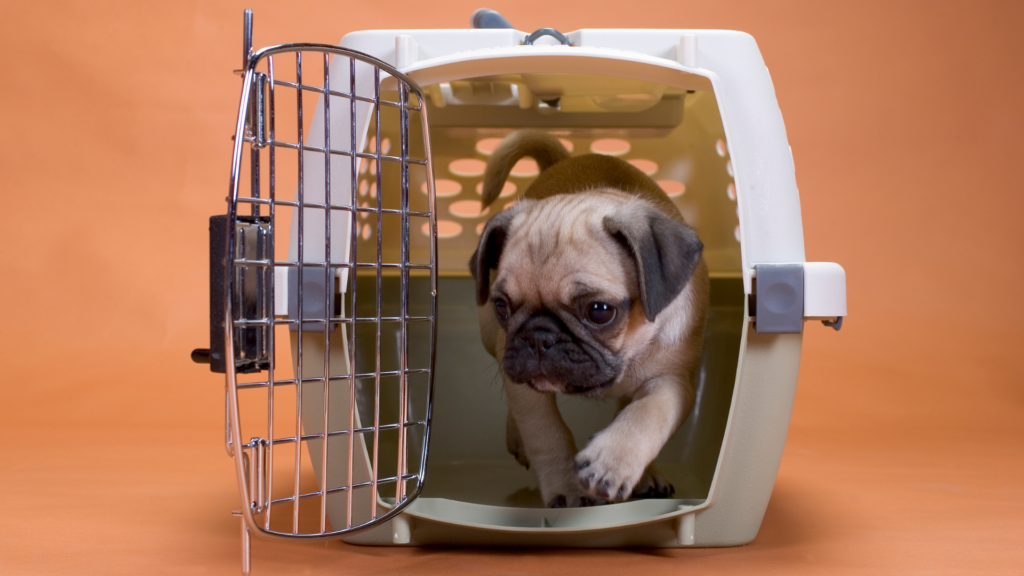
Dogs naturally seek safe, enclosed spaces.
A properly introduced crate can become:
- A sleeping area
- A quiet retreat
- A secure resting place
- A tool for building routine
The goal is to help your puppy see the crate as a positive space, not a punishment.
What a Crate Should and Shouldn’t Be
| Should Be | Should Not Be |
|---|---|
| Safe space | Punishment tool |
| Sleeping area | Isolation device |
| Calm retreat | Jail |
| Training aid | Permanent confinement |
| Comfortable environment | Stressful environment |
When owners understand this difference, crate training becomes much easier.
Mistake #1: Using the Crate as Punishment
One of the most damaging mistakes is sending a puppy to the crate after bad behavior.
Examples include:
- After chewing furniture
- After accidents
- After barking
If puppies associate the crate with punishment, they become less willing to enter it voluntarily.
Instead:
- Guide them calmly
- Reward crate use
- Maintain positive associations
Mistake #2: Expecting Too Much Too Soon
Many owners expect puppies to love the crate immediately.
The reality is that crate acceptance takes time.
Puppies need opportunities to:
- Explore the crate
- Enter voluntarily
- Build positive experiences
- Develop trust
Patience is essential.
Mistake #3: Leaving Puppies Crated Too Long
Young puppies cannot stay in crates for extended periods.
Their needs include:
- Potty breaks
- Exercise
- Social interaction
- Mental stimulation
General Crate Time Guidelines
| Puppy Age | Maximum Crate Time |
|---|---|
| 8-10 weeks | 1 hour |
| 11-14 weeks | 2 hours |
| 15-18 weeks | 3 hours |
| 4-6 months | 4 hours |
| 6+ months | 4-6 hours |
These are guidelines, not strict rules.
Mistake #4: Choosing the Wrong Crate Size
A crate that is too large can create house-training problems.
A crate that is too small can create discomfort.
Ideally, your puppy should be able to:
- Stand comfortably
- Turn around
- Lie down fully
Without having excessive unused space.
Mistake #5: Skipping Crate Introductions
Some owners place a puppy in the crate and simply close the door.
This often creates:
- Anxiety
- Resistance
- Fear
Instead, introduce the crate gradually.
Allow your puppy to:
- Explore it
- Enter freely
- Receive treats inside
- Build positive associations
Mistake #6: Ignoring Your Puppy’s Sleep Needs
Many crate problems are actually sleep problems.
Overtired puppies often become:
- Hyperactive
- Vocal
- Restless
- Difficult to settle
A healthy routine matters.
Our guide on puppy sleeping schedules by age explains how much rest puppies actually need.
Mistake #7: Making the Crate Too Exciting
The crate should feel calm and relaxing.
Avoid:
- Excessive stimulation
- Constant interruptions
- Loud environments
Think of the crate as a bedroom rather than a playroom.
Mistake #8: Responding to Every Whine Immediately
This is one of the most common mistakes.
Not every whine means:
- Fear
- Distress
- Emergency
Sometimes puppies are simply:
- Testing boundaries
- Seeking attention
- Adjusting to routine
Owners should learn to distinguish between genuine needs and attention-seeking behavior.
Mistake #9: Inconsistent Rules
Consistency is critical.
Problems often occur when:
- Crate rules change daily
- Family members follow different approaches
- Schedules vary dramatically
Dogs learn faster when expectations remain predictable.
Mistake #10: Not Providing Enough Exercise
A puppy with excess energy will struggle to settle.
Healthy crate training should be balanced with:
- Play
- Training
- Walks
- Mental enrichment
A tired puppy generally sleeps better.
Mistake #11: Rushing Nighttime Crate Training
Nighttime can be especially challenging.
Young puppies may wake because:
- They need potty breaks
- They feel lonely
- They are adjusting
Expecting immediate overnight success often creates frustration.
Mistake #12: Creating Negative Emotional Associations
Dogs form emotional associations quickly.
Negative crate experiences may include:
- Being forced inside
- Loud corrections
- Long isolation periods
- Stressful situations
Positive experiences create much better long-term results.
Mistake #13: Not Rewarding Crate Use
Many owners forget to reward desirable behavior.
Helpful rewards include:
- Treats
- Praise
- Toys
- Calm attention
Positive reinforcement speeds up learning dramatically.
Mistake #14: Comparing Your Puppy to Other Dogs
Every puppy learns differently.
Factors that influence crate training include:
- Breed
- Personality
- Age
- Confidence
- Previous experiences
Some puppies adjust within days.
Others require weeks.
Mistake #15: Forgetting the Bigger Goal
The goal is not simply getting a puppy inside a crate.
The goal is helping your puppy feel:
- Safe
- Comfortable
- Relaxed
- Secure
When owners focus on emotional comfort, crate training becomes much easier.
Building a Complete Puppy Routine
Crate training works best when combined with:
- Sleep schedules
- Feeding routines
- Potty breaks
- Exercise
- Training sessions
A structured routine reduces confusion and builds confidence.
Essential Crate Training Supplies
Helpful items include:
- Properly sized crate
- Comfortable bedding
- Safe chew toys
- Training treats
- Crate cover (optional)
You can find additional recommendations in our guide on the best dog products for new owners.
Signs Crate Training Is Working
Positive signs include:
- Entering voluntarily
- Relaxed body language
- Sleeping comfortably
- Reduced whining
- Calm behavior inside the crate
These behaviors typically increase over time.
When to Seek Professional Help
Consider professional guidance if your puppy experiences:
- Extreme panic
- Self-injury
- Persistent distress
- Severe anxiety
Some dogs need additional support beyond basic crate training.
Common Crate Training Myths
Myth: Crates Are Cruel
When used properly, crates provide security and comfort.
Myth: Puppies Should Never Cry
Some adjustment whining is normal.
Myth: Crate Training Happens in a Few Days
Most puppies require several weeks of consistent practice.
Final Thoughts
Crate training is one of the most useful skills new dog owners can teach, but success depends on patience, consistency, and realistic expectations.
Most crate training problems happen because owners move too quickly, create negative associations, or misunderstand their puppy’s needs.
By avoiding these common crate training mistakes and focusing on positive experiences, you can help your puppy see the crate as a safe, comfortable place where they can relax and feel secure.