Maintaining a healthy dog weight is one of the most important parts of keeping your dog happy, active, and healthy.
Dogs that stay within a healthy weight range usually have better mobility, more energy, fewer health problems, and longer lifespans. On the other hand, obesity and excessive weight gain can increase the risk of serious medical conditions.
Because every breed is different, understanding what a healthy dog weight looks like for your specific dog is essential.
In this guide, we’ll explore how to evaluate your dog’s weight, recognize warning signs, and help your dog stay fit and healthy.
Assessing Your Dog’s Breed
Different dog breeds naturally have different body sizes, builds, and weight ranges.
A healthy dog weight for a Chihuahua will look completely different from a healthy weight for a Labrador Retriever or German Shepherd.
Why Breed Matters
Breed influences:
- Bone structure
- Muscle mass
- Energy levels
- Metabolism
- Natural body shape
Examples of Healthy Weight Differences
- Pomeranian: usually around 3 to 7 pounds
- Labrador Retriever: often between 55 to 80 pounds
- Mastiff: may exceed 100 pounds naturally
Mixed-Breed Dogs
Mixed breeds can be more difficult to evaluate because their genetics vary.
For mixed-breed dogs, it helps to consider:
- Predominant breed traits
- Body structure
- Muscle condition
- Overall proportions
Puppies and Growth Stages
Puppies require different nutrition and body composition than adult dogs.
Growing dogs naturally gain weight rapidly during development, so healthy ranges vary by age.
Key Indicators of a Healthy Weight
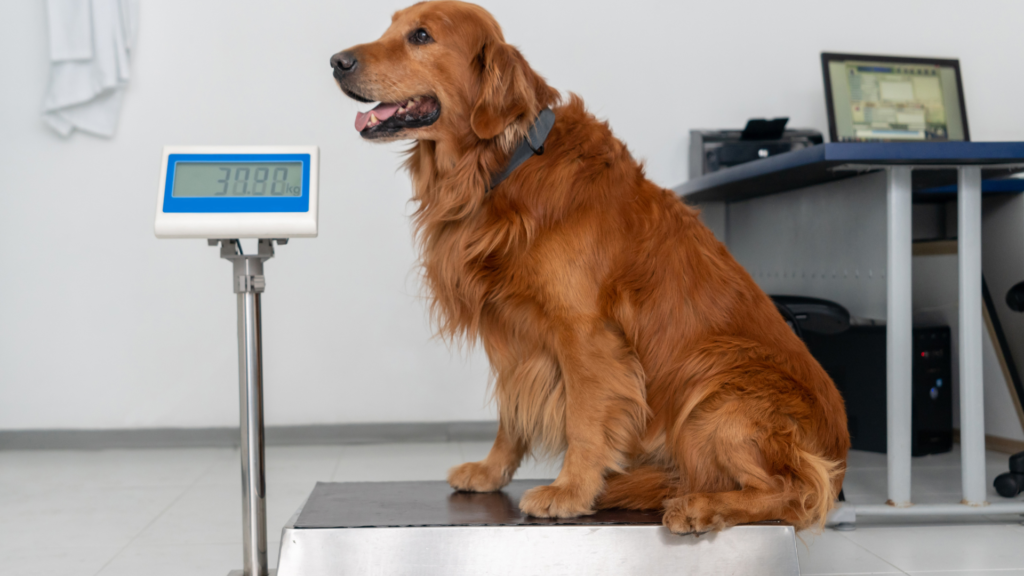
The number on the scale is important, but body condition matters just as much.
There are several easy ways to evaluate whether your dog is within a healthy weight range.
Rib Check
You should be able to feel your dog’s ribs without pressing too hard.
- Ribs too visible may indicate underweight
- Ribs impossible to feel may suggest overweight
Waist Definition
When viewed from above, healthy dogs usually have a visible waist behind the ribcage.
Abdominal Tuck
From the side, the abdomen should slope upward slightly rather than hang down.
Energy Levels
Dogs at a healthy weight often show:
- Better stamina
- Higher energy
- Easier movement
- More willingness to play
Mobility
Excess weight may lead to:
- Difficulty climbing stairs
- Trouble standing up
- Joint discomfort
- Reduced activity levels
Behavioral Signs
Weight problems may also influence behavior:
- Increased food obsession
- Reduced playfulness
- Anxiety or irritability
- Fatigue
Monitoring these signs regularly can help you identify problems early.
Dangers of Obesity in Dogs
Obesity is one of the most common health problems in dogs today.
Unfortunately, excess weight affects much more than appearance.
Health Risks Linked to Dog Obesity
Joint and Bone Problems
Extra weight places additional stress on joints and bones.
This may contribute to:
• Arthritis
• Hip dysplasia
• Reduced mobility
• Joint pain
Heart and Respiratory Problems
Overweight dogs may develop:
- Heart strain
- Breathing difficulties
- Reduced endurance
Diabetes
Obesity increases the risk of canine diabetes.
Reduced Immune Function
Overweight dogs may become more vulnerable to illness and infection.
Heat Intolerance
Excess fat makes temperature regulation more difficult.
Lower Quality of Life
Obese dogs often experience:
- Reduced activity
- Discomfort
- Fatigue
- Shorter lifespan
Studies have shown that obesity may significantly reduce a dog’s lifespan.
Read also: What Should I Do If My Dog Is Constipated?
How to Maintain a Healthy Weight
Maintaining a healthy dog weight requires consistency and routine care.
Key Weight Management Habits
- Feed balanced meals
- Measure food portions
- Avoid excessive treats
- Exercise regularly
- Monitor weight changes
- Schedule regular vet visits
Portion Control Matters
Overfeeding is one of the biggest causes of weight gain in dogs.
Even small daily excesses can add up over time.
Limit High-Calorie Treats
Treats should only make up a small portion of your dog’s daily calories.
Healthier alternatives may include:
- Carrots
- Green beans
- Apple slices
- Low-calorie training treats
Read also: 7 Secrets to the Longevity of the World’s Oldest Dogs
Avoid Table Scraps
Many human foods are unhealthy or unsafe for dogs.
Table scraps can quickly increase calorie intake without balanced nutrition.
Dietary Needs and Nutrition
Nutrition is one of the foundations of maintaining a healthy dog weight.
Important Nutrients for Dogs
Protein
Protein supports:
- Muscle maintenance
- Tissue repair
- Healthy growth
Healthy Fats
Healthy fats provide energy and support:
- Brain function
- Skin health
- Coat quality
Carbohydrates
Carbohydrates may provide energy and digestive fiber.
Vitamins and Minerals
Dogs require balanced nutrients for:
- Bone health
- Immune support
- Organ function
Water
Hydration is critical for overall health.
Dogs should always have access to clean, fresh water.
Special Dietary Considerations
Some dogs may need specialized diets because of:
- Allergies
- Age
- Activity level
- Medical conditions
Always consult your veterinarian before making major dietary changes.
Exercise Tips and Tricks
Exercise helps dogs maintain a healthy weight while improving both physical and mental health.
Benefits of Regular Exercise
- Burns calories
- Supports heart health
- Improves muscle tone
- Reduces boredom
- Helps mental stimulation
Exercise Ideas for Dogs
- Daily walks
- Fetch
- Swimming
- Hiking
- Agility games
- Tug-of-war
Mental Stimulation Matters Too
Puzzle toys and training sessions can help burn mental energy and prevent boredom-related eating.
Weather Safety
Always adjust exercise based on weather conditions.
- Avoid intense heat
- Provide water breaks
- Protect paws during extreme temperatures
Watch for Overexertion
Signs your dog may be too tired include:
- Heavy panting
- Slowing down
- Refusing activity
- Limping
Exercise should always match your dog’s breed, age, and health status.
Consulting with a Vet
Veterinarians play a major role in helping dogs maintain a healthy weight.
Why Vet Visits Matter
Regular check-ups help monitor:
- Weight changes
- Body condition
- Diet effectiveness
- Health problems
Questions to Ask Your Vet
- Is my dog overweight or underweight?
- What should my dog’s ideal weight be?
- How many calories should my dog eat daily?
- What exercise routine is best?
When to Seek Veterinary Advice
Contact your vet if you notice:
- Sudden weight gain
- Sudden weight loss
- Appetite changes
- Reduced mobility
- Low energy
Early intervention can prevent more serious health issues later.
Tail-wagging Conclusion
Maintaining a healthy dog weight is one of the best ways to support your dog’s long-term health and happiness.
A healthy weight can improve:
- Energy levels
- Mobility
- Lifespan
- Comfort
- Overall quality of life
Every dog is unique, so there is no one-size-fits-all number.
By combining proper nutrition, regular exercise, portion control, and veterinary guidance, you can help your dog stay healthy, active, and full of life for years to come.