A healthy dog coat is usually shiny, soft, and full. So when you notice your dog losing hair, it’s natural to become concerned.
Some hair loss in dogs is completely normal, especially seasonal shedding. However, excessive shedding, bald spots, thinning fur, or irritated skin may point to an underlying issue that needs attention.
In this guide, we’ll explore the most common reasons why dogs lose hair, what symptoms to watch for, and what you can do to help support your dog’s skin and coat health.
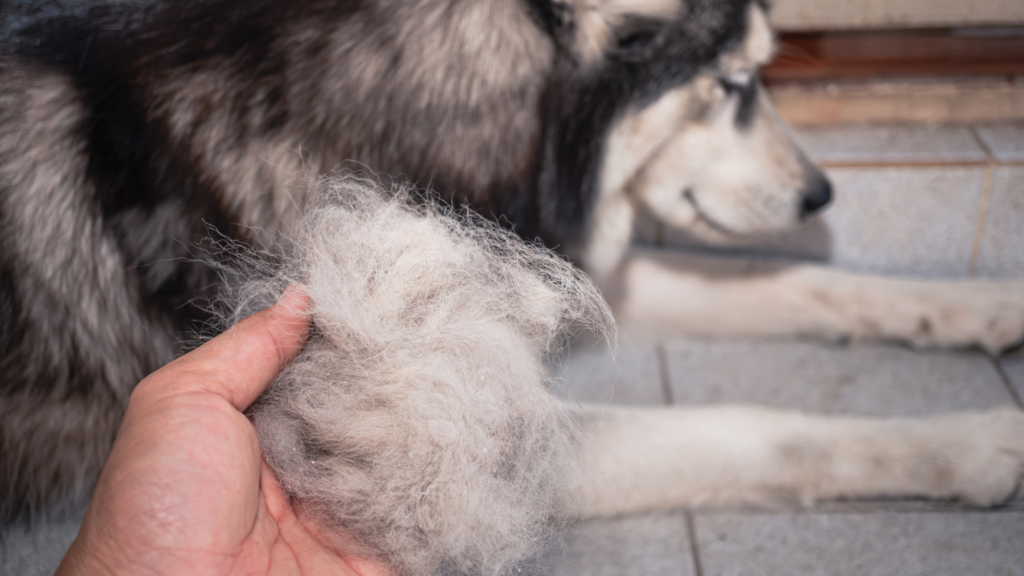
Reasons for Hair Loss in Dogs
Some shedding is a natural and healthy process for dogs.
However, noticeable hair loss, bald patches, excessive scratching, or thinning fur may indicate a deeper problem.
Here are some common causes of dog hair loss:
- Seasonal Shedding: Many dogs naturally shed more during seasonal changes, especially double-coated breeds.
- Aging: Older dogs may experience gradual thinning of the coat as part of the natural aging process.
- Physical Trauma: Injuries, surgeries, or scars can sometimes prevent hair from regrowing normally.
- Friction: Harnesses, collars, or repeated rubbing can damage hair follicles over time.
- Poor Grooming: Matted fur and improper grooming may contribute to hair breakage and skin irritation.
- Pregnancy and Nursing: Female dogs sometimes experience temporary hair loss after pregnancy or during nursing.
- Medication Side Effects: Certain medications may contribute to hair thinning or coat changes.
Read also: Can Dogs Eat Fruits and Vegetables? Safe Options and Foods to Avoid
Genetic Factors
Some dog breeds are genetically more likely to experience hair loss or thinning coats.
Naturally Sparse Coats
Certain breeds naturally have little or no hair, including:
- Chinese Crested
- Xoloitzcuintli
Pattern Baldness
Breeds like Dachshunds and Italian Greyhounds may develop genetic thinning in specific areas.
Color Dilution Alopecia
Some diluted coat colors are associated with weaker hair follicles and hair loss.
Follicular Dysplasia
This inherited condition affects hair follicle development and may lead to patchy hair loss.
Primary Seborrhea
Some breeds naturally produce excess skin oils, leading to dandruff, irritation, and coat problems.
Allergies and Environment
Allergies are one of the most common reasons for dog hair loss.
Dogs can react to food, environmental allergens, flea bites, and household irritants.
Food Allergies
Some dogs are sensitive to ingredients such as:
- Chicken
- Beef
- Dairy
- Wheat
- Soy
Food allergies often cause itching, redness, and hair loss.
Flea Allergy Dermatitis
Dogs allergic to flea saliva may develop intense itching and bald spots even from a single flea bite.
Environmental Allergies
Pollen, mold, dust mites, and grass can trigger skin irritation and scratching.
Contact Irritation
Cleaning products, carpets, shampoos, or certain fabrics may irritate sensitive dogs.
Seasonal Changes
Dry winter air and humid summer conditions can both negatively affect skin health.
Parasitic Infections
Parasites are another major cause of dog hair loss.
Fleas
Fleas often cause intense itching and hair loss around the tail and hindquarters.
Ticks
Tick bites can create localized irritation and inflammation.
Mange Mites
Mange can cause severe hair loss, redness, and skin irritation.
Lice
Lice infestations may cause itching, inflammation, and thinning fur.
Internal Parasites
Some internal parasites may indirectly contribute to poor coat condition through nutritional deficiencies.
Hormonal Imbalances
Hormones play an important role in maintaining healthy skin and coat growth.
Hypothyroidism
Low thyroid hormone levels may cause:
- Symmetrical hair loss
- Weight gain
- Dry coat
- Lethargy
Cushing’s Disease
Dogs with Cushing’s disease often develop thinning skin and hair loss.
Alopecia X
Certain breeds are genetically prone to this hormone-related condition.
Growth Hormone Deficiencies
Hormonal deficiencies may interfere with normal hair growth in younger dogs.
Sex Hormone Imbalances
Reproductive hormone changes may also contribute to coat thinning.
Read also: What Should I Do If My Dog Is Constipated?
Stress and Anxiety
Emotional stress can also contribute to dog hair loss.
Separation Anxiety
Dogs with separation anxiety may excessively lick or chew themselves.
Changes in Routine
Moving homes, new pets, or major routine changes can increase stress.
Chronic Anxiety
Long-term stress may lead to compulsive scratching or overgrooming.
Loud Noises and Fear
Thunderstorms, fireworks, and stressful environments may trigger anxiety-related shedding.
Skin Infections and Conditions
Skin conditions can directly damage hair follicles and irritate the skin.
Bacterial Infections
Pyoderma may cause:
- Redness
- Pustules
- Bald spots
- Skin irritation
Ringworm
This fungal infection often creates circular patches of hair loss.
Yeast Overgrowth
Yeast infections may cause itching, odor, and skin inflammation.
Seborrhea
Excess skin oil production may lead to dandruff and coat problems.
Folliculitis
Inflamed hair follicles can weaken hair growth and lead to thinning fur.
Dietary Concerns
Nutrition plays a huge role in maintaining a healthy coat.
Protein Deficiency
Hair is largely made of protein, so poor-quality diets may contribute to hair loss.
Lack of Healthy Fats
Omega-3 and Omega-6 fatty acids help support healthy skin and coat shine.
Vitamin and Mineral Deficiencies
Deficiencies in nutrients such as zinc and biotin may negatively affect coat quality.
Food Sensitivities
Food allergies may trigger itching, inflammation, and excessive shedding.
Low-Quality Dog Food
Poor-quality diets may lack the nutrients needed for healthy skin and fur.
Preventive Measures and Solutions
Preventing dog hair loss often starts with proper care and routine maintenance.
Regular Grooming
Brushing helps remove dead fur, distribute natural oils, and identify problems early.
Balanced Nutrition
A high-quality diet supports healthy skin and coat growth.
Parasite Prevention
Routine flea and tick prevention is extremely important.
Stress Management
Exercise, playtime, and a stable routine may help reduce anxiety-related hair loss.
Safe Environment
Reduce exposure to harsh chemicals and allergens whenever possible.
Routine Veterinary Care
Regular vet visits help identify health problems before they become severe.
Skin Care
Use gentle, dog-safe shampoos and avoid overbathing.
Final Thoughts
If your dog is losing hair, the cause may range from simple seasonal shedding to allergies, infections, parasites, stress, or underlying health conditions.
Paying close attention to your dog’s skin, coat, and behavior can help identify problems early.
The good news is that many causes of dog hair loss can be managed successfully with proper nutrition, grooming, veterinary care, and preventive health measures.
A healthy coat is often a reflection of a healthy dog, so taking action early can make a big difference in your dog’s comfort, appearance, and overall well-being.