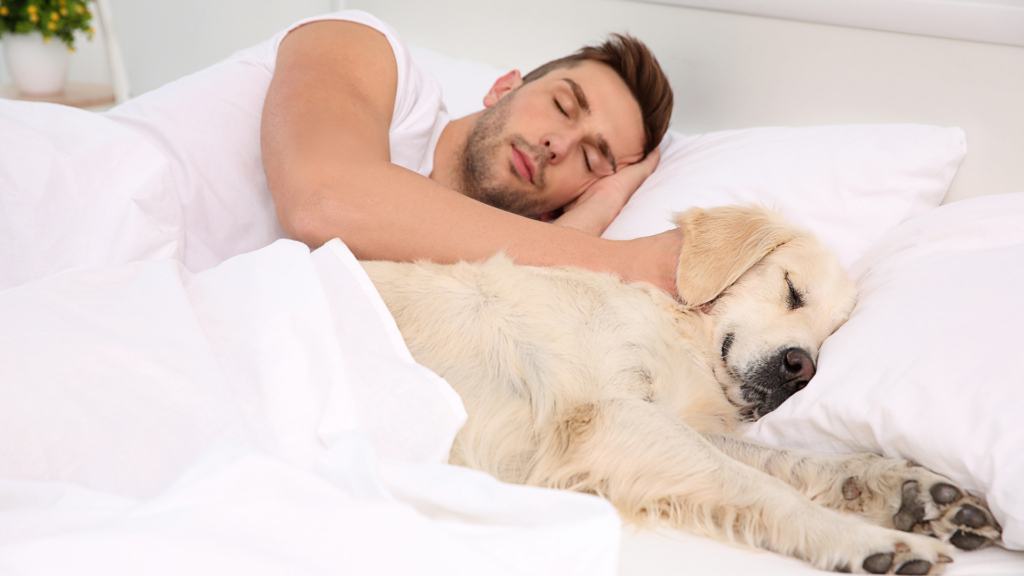
Dog separation anxiety is one of the most common behavioral problems dogs experience. Many dogs become stressed, nervous, or destructive when left alone, especially if they are strongly attached to their owners.
Some dogs may bark excessively, chew furniture, pace around the house, or even try to escape when their owner leaves. While mild anxiety is common, severe separation anxiety can become emotionally exhausting for both dogs and their families.
The good news is that there are practical ways to help reduce separation anxiety and make your dog feel calmer and more secure when home alone.
In this guide, we’ll explore what dog separation anxiety is, common symptoms, and simple solutions that may help your dog feel more comfortable and relaxed.
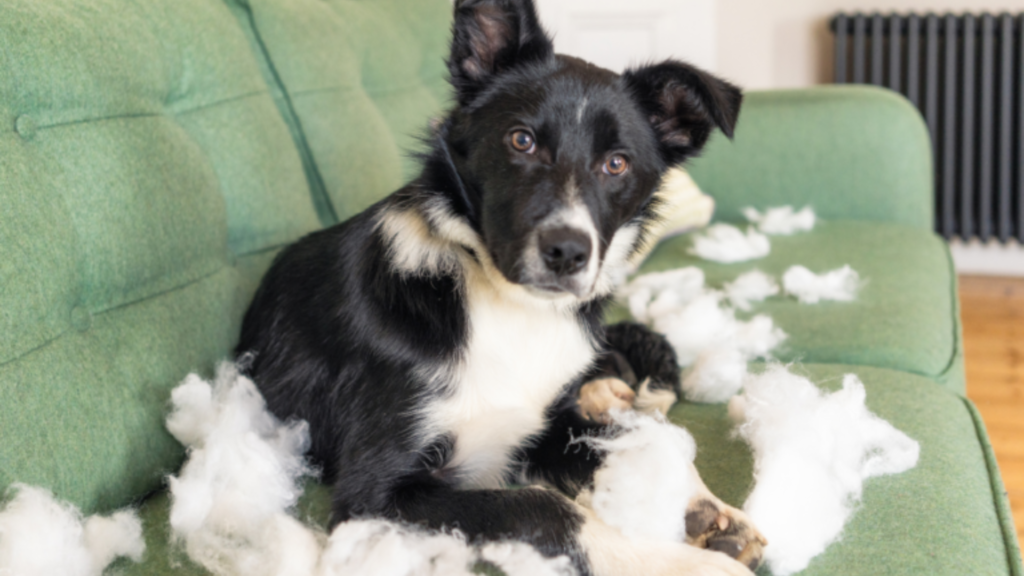
Table of Contents
What is Dog Separation Anxiety?
1st Solution: DOGTV
2nd Solution: Interactive Toys
3rd Solution: Comfort Items
Additional Tips for Easing Separation Anxiety
Conclusion
What is Dog Separation Anxiety?
Dog separation anxiety is a behavioral condition where dogs experience stress or panic when separated from their owner or primary caregiver.
Some dogs may feel anxious only during longer absences, while others react immediately when they notice signs that their owner is about to leave.
Common Causes of Dog Separation Anxiety
Several factors may contribute to separation anxiety in dogs:
- Sudden routine changes
- Moving to a new home
- Spending too much time alone
- Early separation from their mother
- Previous abandonment or shelter history
- Strong emotional attachment to owners
Some dogs are naturally more prone to anxiety than others.
Signs of Dog Separation Anxiety
Dogs with separation anxiety may display behaviors such as:
- Excessive barking or whining
- Destructive chewing
- Pacing around the house
- Indoor accidents
- Scratching doors or windows
- Attempts to escape
- Excessive drooling or panting
These behaviors are usually signs of genuine stress, not disobedience or revenge.n anxiety, let’s explore some effective solutions to address and alleviate these concerns.
1st Solution: DOGTV
DOGTV is a television channel designed specifically for dogs.
The content is created to help dogs feel calmer and more relaxed when left alone. DOGTV uses soothing visuals, calming sounds, and specially designed programming intended to reduce stress and anxiety in dogs.
How DOGTV May Help Dogs
DOGTV aims to provide:
- Mental stimulation
- Relaxing background sounds
- Reduced boredom
- Visual engagement
- A calmer environment
Some dog owners use DOGTV during work hours or whenever their dogs are left home alone.
Why Some Owners Like DOGTV
Potential benefits may include:
- Less barking
- Reduced boredom
- Fewer destructive behaviors
- Improved relaxation
- Better daily stimulation
Not every dog responds the same way, but many owners report positive experiences using calming television content.
2nd Solution: Interactive Toys
Interactive toys can be extremely helpful for dogs with separation anxiety.
Mental stimulation helps distract dogs from stress and keeps their brains engaged while alone.
Popular Interactive Toy Types
Treat-Dispensing Toys
These toys release treats when manipulated correctly, encouraging dogs to stay occupied.
Puzzle Toys
Puzzle toys challenge dogs to solve problems to access food or treats.
Hide-and-Seek Toys
These toys encourage dogs to search, sniff, and explore.
Benefits of Interactive Toys
Interactive toys may help:
- Reduce boredom
- Burn mental energy
- Increase confidence
- Distract anxious dogs
- Encourage independent play
Mental exercise can sometimes tire dogs as much as physical exercise.
Choosing the Right Toy
When selecting toys for separation anxiety, consider:
- Your dog’s size
- Chewing strength
- Activity level
- Safety and durability
Rotating toys regularly can also help maintain interest and excitement.
3rd Solution: Comfort Items
Comfort items can help dogs feel safer and more secure when left alone.
Many dogs find comfort in familiar smells, textures, and objects associated with their owners.
Comfort Items That May Help
- Blankets
- Soft dog beds
- Worn clothing with owner scent
- Plush toys
- Calming beds
Because dogs have a very strong sense of smell, familiar scents can provide reassurance and emotional comfort.
Read also: Why Dogs Follow You Everywhere: What This Clingy Behavior Really Means
Calming Music and Sounds
Some dogs also respond well to:
- White noise
- Soft music
- Relaxation playlists
- Background television sounds
These sounds may help block stressful noises from outside the home.
Additional Tips for Easing Separation Anxiety
Helping a dog overcome separation anxiety often requires patience and consistency.
Gradual Desensitization
Practice leaving your dog alone for short periods and slowly increase the duration over time.
This helps your dog learn that you always return.
Create a Consistent Routine
Dogs feel safer when daily routines are predictable.
Try to maintain consistent:
- Feeding times
- Walk schedules
- Play sessions
- Bedtimes
Avoid Emotional Departures
Making departures overly emotional can sometimes increase anxiety.
Try to leave and return calmly without creating extra excitement.
Exercise Before Leaving
A tired dog is often a calmer dog.
Physical activity before departures may help reduce anxious behavior.
Consider Professional Help
For severe cases of dog separation anxiety, consulting a veterinarian or certified dog behaviorist may be necessary.
Some dogs benefit from personalized training plans or behavioral therapy.
Read also: Why Dogs Tilt Their Heads: What This Cute Dog Behavior Really Means
Conclusion
Dog separation anxiety can be stressful for both dogs and owners, but many dogs improve with the right combination of support, routine, and patience.
Solutions such as DOGTV, interactive toys, comfort items, exercise, and gradual training may help dogs feel calmer and more secure when left alone.
Every dog is different, so finding the right combination of strategies may take time. The most important thing is to stay patient, consistent, and supportive throughout the process.
With the right approach, many dogs can learn to feel more relaxed, confident, and comfortable even when home alone.
Also read: 7 Benefits of CBD for Dogs: Improving Health and Quality of Life