Watching our dogs grow older is bittersweet. While senior dogs often become calmer and more affectionate, aging also brings physical changes that require extra attention and care.
Recognizing the signs of aging in dogs can help you address health concerns early and improve your dog’s comfort and quality of life during their golden years.
Fortunately, many age-related changes can be managed with proper nutrition, veterinary care, and lifestyle adjustments.
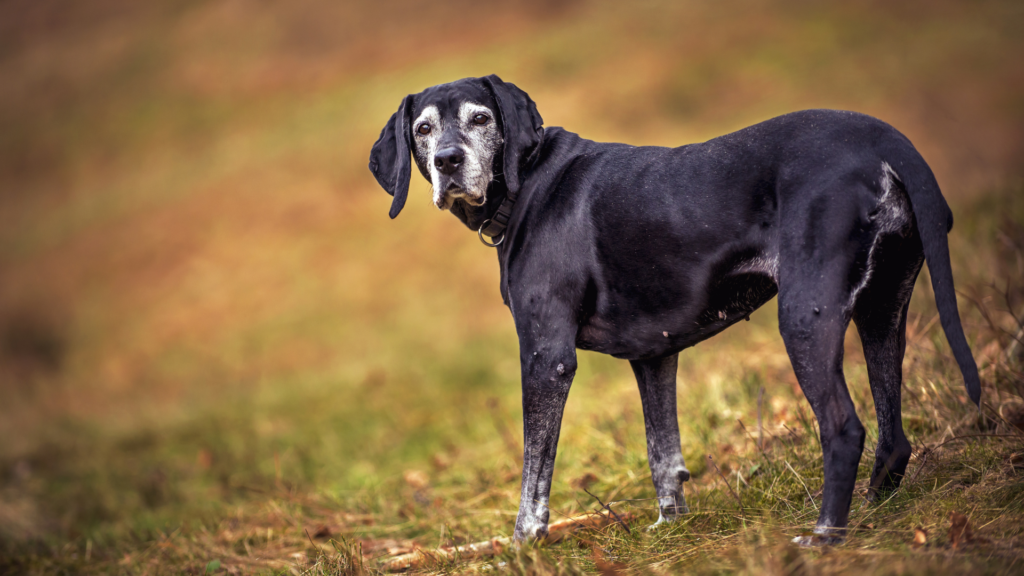
Graying Fur
One of the most recognizable signs of aging in dogs is graying fur, particularly around the muzzle, eyebrows, and chest.
Why It Happens
As dogs age, melanin production decreases, leading to a gradual loss of pigmentation.
However, graying may also be influenced by:
- Genetics
- Stress
- Anxiety
- Certain health conditions
Caring for an Aging Coat
Senior dogs often experience a drier coat due to reduced oil production.
Helpful practices include:
- Regular brushing
- Moisturizing shampoos
- High-quality nutrition
- Omega-3 fatty acids
If your dog’s coat has become dull, our guide on keeping your dog’s coat shiny and healthy may help.
Decreased Mobility
Reduced mobility is one of the most common signs of aging in dogs.
Older dogs may no longer jump, run, or climb stairs with the enthusiasm they once had.
Common Causes
| Condition | Effect |
|---|---|
| Arthritis | Joint pain and stiffness |
| Hip dysplasia | Reduced range of motion |
| Muscle loss | Weakness |
| General wear and tear | Slower movement |
Warning Signs
Watch for:
- Limping
- Stiffness after resting
- Difficulty climbing stairs
- Reluctance to jump
- Signs of discomfort
Supporting Mobility
You can help by providing:
- Joint supplements
- Moderate exercise
- Orthopedic beds
- Weight management
Maintaining a healthy dog weight is one of the best ways to reduce stress on aging joints.
Vision and Hearing Loss
Sensory decline is another common sign of aging in dogs.
Age-Related Changes
| Condition | Possible Symptoms |
|---|---|
| Cataracts | Cloudy eyes |
| Hearing loss | Ignoring commands |
| Retinal degeneration | Difficulty navigating |
Signs to Watch For
- Bumping into furniture
- Startling easily
- Difficulty finding toys
- Reduced response to sounds
- Hesitation in unfamiliar places
Helping Your Dog Adapt
Consider:
- Keeping furniture in place
- Improving lighting
- Using scent cues
- Teaching hand signals
Patience and consistency help senior dogs adapt to sensory changes.
Dental Issues
Oral health problems become increasingly common as dogs age.
Common Dental Problems
| Condition | Symptoms |
|---|---|
| Gum disease | Bad breath, bleeding gums |
| Tooth decay | Difficulty chewing |
| Broken teeth | Pain and sensitivity |
| Tooth resorption | Reluctance to eat |
Warning Signs
- Persistent bad breath
- Drooling
- Dropping food
- Chewing on one side
- Red or swollen gums
Protecting Dental Health
Good oral hygiene includes:
- Daily brushing
- Dental treats
- Professional cleanings
- Routine veterinary exams
Healthy teeth contribute to overall health and longevity.
Weight Changes
Unexpected weight gain or weight loss is one of the most important signs of aging in dogs.
Why Weight Changes Occur
| Cause | Possible Effect |
|---|---|
| Reduced activity | Weight gain |
| Slower metabolism | Weight gain |
| Dental problems | Weight loss |
| Disease | Weight gain or loss |
Signs to Monitor
- Visible ribs
- Enlarged abdomen
- Changes in appetite
- Reduced activity
- Muscle loss
If your dog seems heavier than usual, our article on whether your dog is overweight may help.
If weight loss or gain becomes significant, consult your veterinarian.
Skin and Coat Changes
Changes in the skin and coat are among the more visible signs of aging in dogs.
Common Changes
- Increased shedding
- Dry skin
- Thinning coat
- Gray hair
- Bald patches
Possible Causes
| Cause | Effect |
|---|---|
| Aging | Coat thinning |
| Hormonal disorders | Hair loss |
| Poor nutrition | Dull coat |
| Allergies | Skin irritation |
Improving Skin and Coat Health
Helpful measures include:
- Quality nutrition
- Fish oil supplements
- Regular grooming
- Veterinary checkups
Maintaining a healthy coat contributes to comfort and overall well-being.
Lumps and Bumps
Finding a lump on your dog can be alarming, but many growths are harmless.
Common Types of Lumps
| Type | Usually Benign? |
|---|---|
| Lipomas | Yes |
| Sebaceous cysts | Usually |
| Warts | Usually |
| Tumors | Sometimes |
Monitor for Changes
Pay attention to:
- Rapid growth
- Changes in shape
- Pain or discomfort
- Bleeding
- Changes in color
What To Do
- Schedule a veterinary exam
- Monitor size regularly
- Follow your vet’s recommendations
Early detection can make a major difference if a growth turns out to be serious.
Additional Tips for Aging Dog Care
Senior dogs benefit from a few adjustments that make life easier and more comfortable.
Home Modifications
Consider:
- Non-slip rugs
- Ramps and steps
- Orthopedic beds
- Better lighting
Nutrition for Senior Dogs
Older dogs often benefit from:
- Senior-specific diets
- Joint supplements
- Omega-3 fatty acids
- Adequate hydration
Mental Stimulation
Mental exercise is just as important as physical activity.
Ideas include:
- Puzzle toys
- Training sessions
- Scent games
- Gentle socialization
If you’re concerned about emotional well-being, read our guide on dog mental health.
Regular Veterinary Care
As dogs age, checkups become even more important.
Regular exams help detect:
- Arthritis
- Dental disease
- Cancer
- Hormonal disorders
- Cognitive decline
Conclusion
Growing older is a natural part of life, and recognizing the signs of aging in dogs can help you provide the care and support your senior companion deserves.
Key Signs of Aging in Dogs
| Physical Change | Common Cause |
|---|---|
| Graying fur | Reduced melanin |
| Mobility problems | Arthritis and muscle loss |
| Vision loss | Cataracts and retinal changes |
| Dental issues | Plaque and gum disease |
| Weight changes | Metabolism and illness |
| Skin changes | Aging and nutrition |
| Lumps and bumps | Benign growths or tumors |
While aging cannot be stopped, proactive care can help your dog remain comfortable, active, and happy for many years.
With proper nutrition, exercise, mental stimulation, and regular veterinary care, your loyal companion can enjoy a wonderful life throughout their senior years.