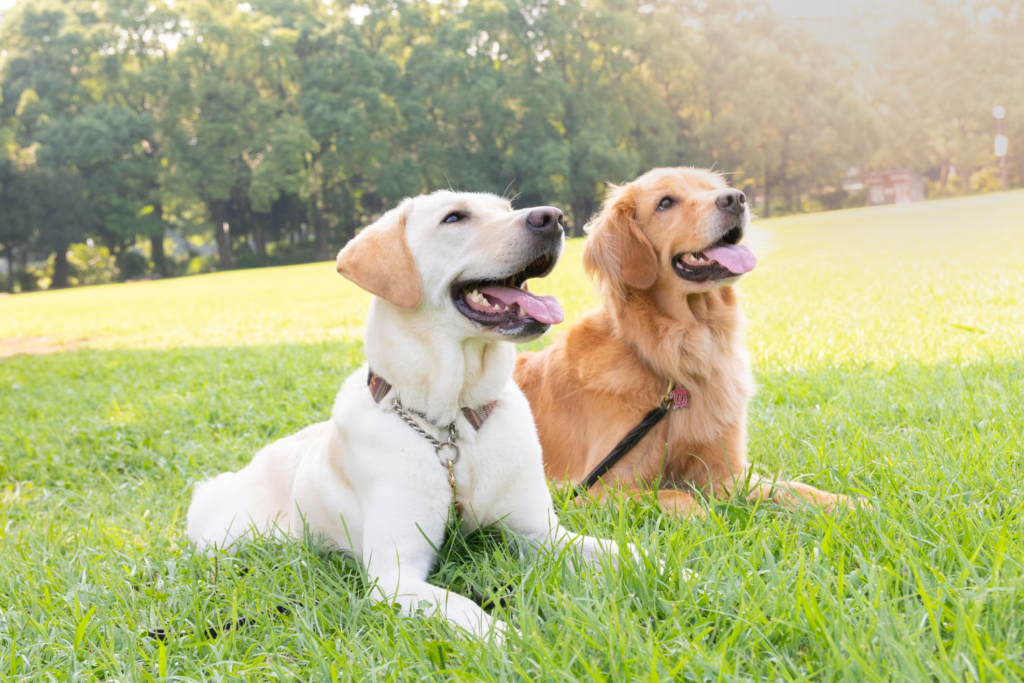
Large dog breeds have a special way of capturing attention. Their impressive size, loyal nature, and protective instincts make them popular companions for families around the world.
While these dogs may look intimidating at first glance, many of them are affectionate, gentle, and incredibly devoted to their owners.
Before bringing home one of these giants, it’s important to understand their space requirements, health considerations, and daily care needs.
In this guide, we’ll explore some of the most popular large dog breeds and what makes each one unique.
Understanding Your Family’s Needs
Large dog breeds can make wonderful family companions, but they are not the right fit for every household.
Before choosing a large breed, consider:
- Available living space
- Daily exercise requirements
- Grooming needs
- Training commitment
- Food and veterinary costs
Many large dogs are calm indoors, but they still need room to stretch, move, and exercise regularly.
A few important questions to ask yourself:
- Do you have enough space for a large dog?
- Can you provide daily exercise?
- Are you prepared for higher food expenses?
- Can you handle a dog that may weigh over 100 pounds?
Choosing the right breed starts with understanding your lifestyle and your dog’s future needs.
Health Concerns of Large Dog Breeds
Large dog breeds often face different health challenges than smaller dogs.
Common health concerns include:
- Hip dysplasia
- Elbow dysplasia
- Arthritis
- Heart disease
- Bloat (gastric dilatation-volvulus)
- Joint problems
Because large breeds grow rapidly, proper nutrition during puppyhood is especially important.
Ways to help protect your dog’s health:
- Maintain a healthy weight
- Schedule regular veterinary checkups
- Feed a high-quality diet
- Avoid excessive exercise during growth stages
- Monitor mobility and joint health
Maintaining a healthy dog weight is one of the best ways to reduce stress on joints and improve long-term mobility.
Dietary Requirements
The nutritional needs of large dog breeds differ from those of smaller dogs.
Large dogs require:
- High-quality protein
- Controlled calorie intake
- Joint-supporting nutrients
- Proper calcium and phosphorus balance
- Adequate hydration
It’s important to avoid overfeeding because excess weight places additional stress on joints and bones.
Healthy feeding habits include:
- Measuring portions accurately
- Limiting treats
- Monitoring body condition
- Adjusting calories based on activity level
Proper nutrition also contributes to a healthy skin and coat. Learn how to maintain a shiny and healthy dog coat.
For breed-specific guidance, consult your veterinarian regarding the best diet for your dog’s age and size.
List of Top 10 Large Dog Breeds
1. Great Dane
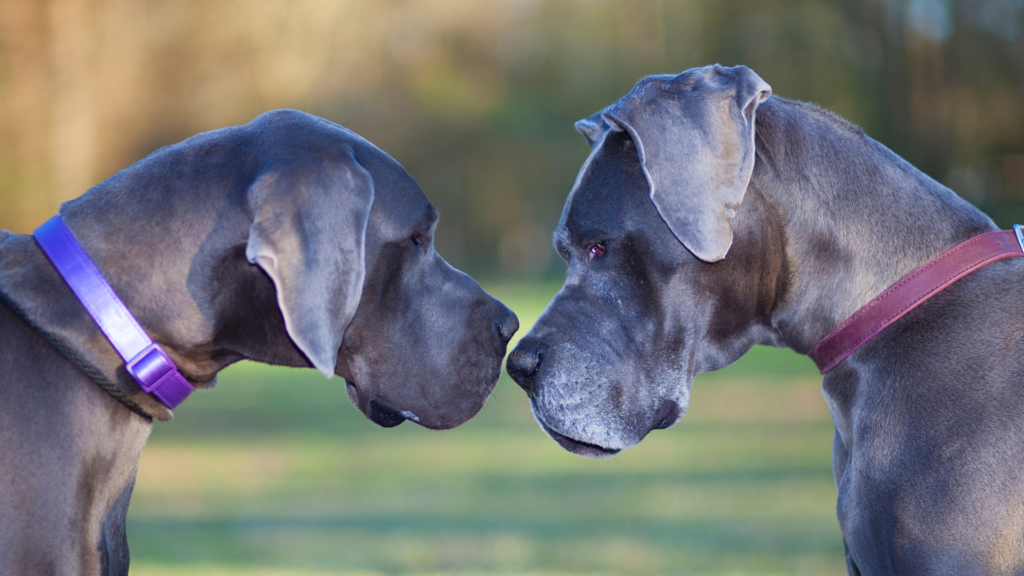
Known as the “Apollo of Dogs,” the Great Dane is one of the tallest dog breeds in the world.
Why people love Great Danes:
- Gentle personality
- Great with families
- Loyal companion
- Surprisingly calm indoors
Despite their enormous size, many Great Danes think they are lap dogs and love cuddling with their owners.
2. Mastiff
The Mastiff is one of the oldest and most powerful large dog breeds.
Key traits:
- Protective
- Loyal
- Calm temperament
- Excellent family guardian
Their massive size is balanced by a gentle and affectionate personality.
3. Saint Bernard
Originally bred for mountain rescue work in the Swiss Alps, Saint Bernards are famous for their calm and loving nature.
Why Saint Bernards are popular:
- Gentle with children
- Friendly temperament
- Loyal family dog
- Patient and dependable
Their large size is matched by an equally large heart.
4. Irish Wolfhound
The Irish Wolfhound is among the tallest dog breeds in existence.
Notable characteristics:
- Elegant appearance
- Calm temperament
- Friendly nature
- Strong hunting heritage
Despite their size, Irish Wolfhounds are often described as gentle giants.
5. Newfoundland
Newfoundlands are famous for their incredible swimming ability and life-saving instincts.
Reasons families love Newfoundlands:
- Excellent with children
- Sweet temperament
- Strong swimming skills
- Protective nature
They are often referred to as “nanny dogs” because of their gentle behavior around kids.
Their thick coat requires regular maintenance. Read our guide on keeping your dog’s coat healthy.
6. Tibetan Mastiff
The Tibetan Mastiff is a powerful guardian breed originally developed in the Himalayas.
Key features:
- Thick protective coat
- Strong guarding instincts
- Independent personality
- Deep loyalty to family
Their lion-like appearance makes them one of the most impressive large dog breeds.
7. Leonberger
The Leonberger combines size, strength, and a friendly personality.
Why Leonbergers stand out:
- Excellent family dog
- Gentle with children
- Protective without aggression
- Intelligent and trainable
Their majestic appearance and balanced temperament make them increasingly popular among large breed enthusiasts.
8. Alaskan Malamute
Bred for pulling heavy sleds, the Alaskan Malamute is known for endurance and strength.
Traits that define the breed:
- High energy
- Independent thinking
- Strong work ethic
- Friendly disposition
They thrive in active households that can meet their exercise needs.
9. Rottweiler
The Rottweiler is a powerful and intelligent breed with a long history of working alongside humans.
Reasons owners choose Rottweilers:
- Strong protective instincts
- Exceptional loyalty
- High intelligence
- Confidence and courage
Proper training and socialization are essential for this breed.
Like many intelligent working breeds, Rottweilers can become vocal when bored or anxious. Learn more about dog whining behavior.
10. Bernese Mountain Dog
The Bernese Mountain Dog is admired for its beautiful tricolor coat and calm personality.
Why Bernese Mountain Dogs are beloved:
- Gentle nature
- Family-friendly temperament
- Loyal companion
- Good with children
Their affectionate personality makes them one of the most popular large dog breeds worldwide.
Adoption vs. Purchase
When adding a large dog breed to your family, you’ll need to decide whether adoption or purchasing from a breeder is the best option.
Benefits of adoption:
- Provides a home to a dog in need
- Often lower initial cost
- Many adult dogs already trained
Benefits of purchasing:
- Known breed history
- Predictable size and temperament
- Access to health records and lineage
Regardless of your choice:
- Research carefully
- Avoid irresponsible breeders
- Prioritize the dog’s welfare
- Ensure you’re ready for the commitment
A large dog can be a companion for many years, so the decision deserves careful consideration.
Conclusion
Large dog breeds offer a unique combination of loyalty, affection, and companionship.
From the towering Great Dane to the majestic Leonberger, these gentle giants can make incredible additions to the right family.
Before choosing a large breed, take time to understand their health needs, exercise requirements, and long-term care commitments.
If you’re researching different breeds, you may also enjoy exploring the most popular dog breeds in Canada, the most popular dog breeds in France, the most popular dog breeds in Australia, and the most popular dog breeds in Portugal.
With proper training, nutrition, and plenty of love, large dog breeds can become devoted family members and lifelong companions.