Many dog owners have asked the same question while preparing a snack or meal: can dogs eat fruits and vegetables?
The answer is yes, many fruits and vegetables are safe for dogs and can even provide important health benefits. However, some fruits and vegetables can be harmful or toxic to dogs, which makes it important to know the difference.
In this guide, we’ll explore safe fruits and vegetables for dogs, foods to avoid, and important feeding tips to help keep your dog healthy and safe.
Benefits of Fruits and Vegetables for Dogs
Although dogs primarily rely on balanced dog food for nutrition, fruits and vegetables can offer healthy supplements and occasional treats.
Many fruits and vegetables contain vitamins, minerals, antioxidants, and fiber that may support overall canine health.
Read also: Why Is My Dog Losing Hair? Common Causes and What You Can Do
Potential Benefits of Fruits and Vegetables for Dogs
Immune System Support
Some fruits contain antioxidants and vitamin C that may help support immune function.
Better Digestion
Vegetables rich in fiber may help support healthy digestion and regular bowel movements.
Healthier Skin and Coat
Certain vegetables and seeds contain nutrients that may help maintain healthy skin and a shiny coat.
Dental Benefits
Crunchy fruits and vegetables such as apples and carrots may help reduce plaque buildup on teeth.
Weight Management
Low-calorie vegetables can be useful treats for dogs needing healthier snack options.
Hydration Support
Water-rich fruits like watermelon and cucumber may help dogs stay hydrated during warmer weather.
Read also: What Should I Do If My Dog Is Constipated?
Safe Fruits for Dogs
Many fruits are safe for dogs when served properly and in moderation.
Apples
Apples are rich in fiber and vitamins A and C.
Always remove the seeds and core before feeding apples to dogs.
Blueberries
Blueberries are packed with antioxidants and make excellent small training treats.
Watermelon
Watermelon is hydrating and refreshing for dogs, especially during hot weather.
Always remove seeds and rind before serving.
Bananas
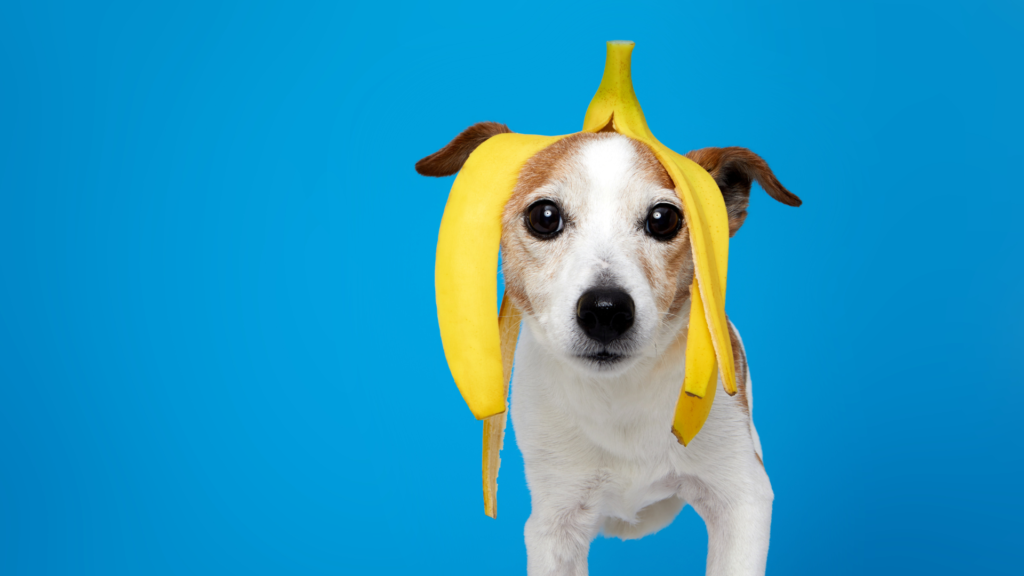
Bananas contain potassium and fiber but should be offered in moderation because of their sugar content.
Strawberries
Strawberries provide vitamin C and antioxidants and may even help freshen breath.
Pears
Pears are safe when seeds and pits are removed.
Pineapple
Fresh pineapple can be a tasty treat when served in small amounts.
Mango
Mango contains several vitamins but should only be fed without the pit.
Cranberries
Fresh cranberries may support urinary tract health in some dogs.
Safe Vegetables for Dogs
Many vegetables are healthy, low-calorie snack options for dogs.
Carrots
Carrots are one of the most popular vegetables for dogs.
They are crunchy, low in calories, and may help support dental health.
Green Beans
Green beans are rich in nutrients and make excellent healthy treats.
Pumpkin
Pumpkin is often used to support digestive health because of its fiber content.
Cucumbers
Cucumbers are hydrating and low in calories, making them ideal for overweight dogs.
Sweet Potatoes
Cooked sweet potatoes are rich in vitamins and fiber.
Peas
Peas contain vitamins, minerals, and fiber and are commonly found in dog food.
Spinach
Spinach contains nutrients and antioxidants but should be fed in moderation.
Broccoli
Broccoli is safe in small amounts but may cause stomach upset if overfed.
Brussels Sprouts
Brussels sprouts contain antioxidants and nutrients but may cause gas in some dogs.
Beets
Beets contain fiber and minerals and can be served cooked and chopped.
Fruits and Vegetables to Avoid
While many fruits and vegetables are safe, others can be dangerous or toxic to dogs.
Grapes and Raisins
Grapes and raisins can cause severe kidney damage in dogs and should always be avoided.
Onions and Garlic
These foods can damage red blood cells and may lead to serious health problems.
Avocado
Avocado contains persin and may be harmful in large amounts.
Cherries
Cherry pits contain cyanide and can also create choking hazards.
Tomato Plants
Green tomato plants contain substances that may be toxic to dogs.
Mushrooms
Some mushrooms are toxic, making it safest to avoid feeding mushrooms entirely.
Rhubarb
Rhubarb leaves contain oxalic acid, which may be dangerous for dogs.
Apricot Pits
Apricot pits contain cyanide and may create choking risks.
Macadamia Nuts
Macadamia nuts are highly toxic to dogs and should never be fed.
Feeding Tips and Precautions
Even safe fruits and vegetables should be introduced carefully.
Introduce New Foods Slowly
Start with small amounts and monitor your dog for digestive upset or allergic reactions.
Watch Portion Sizes
Fruits and vegetables should only make up a small part of your dog’s diet.
Avoid Seasonings and Additives
Never feed fruits or vegetables prepared with:
- Salt
- Garlic
- Onion powder
- Artificial sweeteners
- Sugary sauces
Prepare Foods Properly
Always wash fruits and vegetables thoroughly and remove seeds, pits, or hard skins when necessary.
Prevent Choking Hazards
Cut foods into bite-sized pieces, especially for small dogs.
Ask Your Veterinarian
If you are unsure whether a food is safe, consult your veterinarian before feeding it to your dog.
Conclusion
So, can dogs eat fruits and vegetables?
Yes, many fruits and vegetables can be healthy and enjoyable treats for dogs when served properly and in moderation.
Fruits like apples, blueberries, and watermelon, along with vegetables like carrots, pumpkin, and green beans, may provide nutritional benefits and variety in your dog’s diet.
However, some foods such as grapes, onions, and macadamia nuts can be dangerous and should always be avoided.
Understanding which fruits and vegetables are safe can help you make better choices for your dog’s health, happiness, and overall well-being.